Bitcoin Gets a Quantum Recovery Tool, But Satoshi's Coins Stay Locked
A new quantum-resistant recovery tool aims to protect Bitcoin holders, but Satoshi's 1.1M BTC remain off-limits by design.
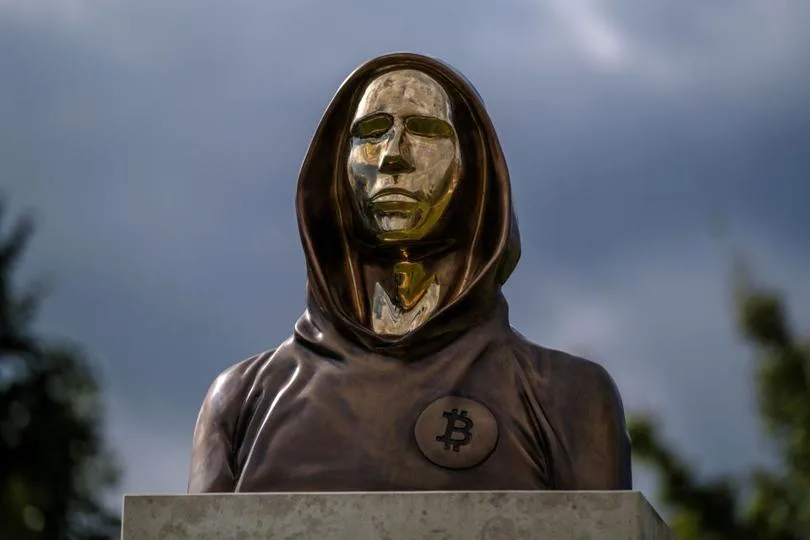
Bitcoin's quantum computing vulnerability just got a partial answer. Developers have rolled out a recovery tool designed to help holders migrate their coins to quantum-resistant addresses before next-generation computers become powerful enough to crack current cryptographic protections. For active Bitcoin users, this is a meaningful step forward — and one worth paying attention to now, not later.
The catch? The tool deliberately excludes Satoshi Nakamoto's estimated 1.1 million coins. Those early-mined Bitcoin sit in old Pay-to-Public-Key addresses where the public key is fully exposed — exactly the type of address most vulnerable to a sufficiently advanced quantum attack. But moving them would require Satoshi's private keys, which nobody has. So they stay put, a ticking time capsule in the blockchain.
Read more Netflix Stock Down 50%: Is This Dip Worth Buying? →
This creates a real philosophical and market tension. If quantum computers eventually mature to the point where they can break elliptic curve cryptography, those dormant coins could theoretically be at risk — not from Satoshi, but from a bad actor with the right hardware. That scenario remains speculative today, but the Bitcoin development community is clearly treating it as a when, not an if.
For traders and holders, the practical move is straightforward: if your coins are sitting in old-format addresses, especially Pay-to-Public-Key outputs, start paying attention to migration options. Quantum risk isn't tomorrow's problem anymore — developers are building for it today. Getting ahead of address migration beats scrambling when the threat becomes concrete.
The broader Bitcoin network's long-term security depends on proactive upgrades rather than reactive patches. This recovery tool is a signal that the ecosystem is taking quantum threats seriously, even if the Satoshi wallet problem remains an elegant, unsolvable paradox baked into Bitcoin's origin story. Continue reading at CoinDesk.