Bitcoin Slips With Stocks as Iran Dashes Hormuz Hopes
BTC erased weekend gains alongside US stocks after Iran poured cold water on Strait of Hormuz reopening hopes, sending oil surging 5%.
Bitcoin gave back its weekend rally Monday as geopolitical reality crashed the party. Iran's dismissal of hopes for a Strait of Hormuz reopening sent oil prices spiking roughly 5%, rattling risk assets across the board — and crypto was no exception. If you rode the weekend pump, you felt the sting fast.
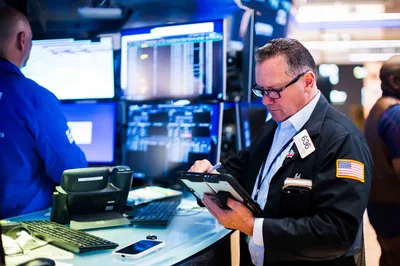
The BTC selloff moved in lockstep with US equities, reinforcing what traders already know: when macro fear spikes, correlations converge. Oil surging on Hormuz tension is a classic risk-off trigger, pushing money away from speculative positions. Bitcoin isn't immune to that trade, no matter what the bulls say.
Read more Goldman Sachs Co-Head Gives 3 Reasons to Stay Invested Now →
Here's the silver lining you shouldn't sleep on. Analysts flagged "exceptionally strong" institutional inflows into Bitcoin even as prices slipped. Smart money accumulating during a dip driven by oil politics — not crypto-specific bad news — is a very different setup than a fundamental breakdown. The demand signal underneath the price action looks solid.
The Strait of Hormuz handles a massive share of global oil shipments, so any disruption — or even the fear of one — moves energy markets hard and fast. When energy costs spike, inflation fears return, and that complicates the rate-cut narrative that's been fueling risk appetite all year. Watch how this Iran situation develops; it's the macro variable that could define BTC's next range.
Bottom line: the dip is macro-driven, institutional buyers are stepping in, and the structural bull case hasn't changed. Stay alert, manage your size, and don't let an oil headline shake you out of a well-researched position. Continue reading at Cointelegraph.