Budget Airlines Are Losing Altitude as Legacy Carriers Soar
Spirit's bankruptcy exposes a broken low-cost model. Here's why cheap fares alone can't keep a U.S. airline airborne.
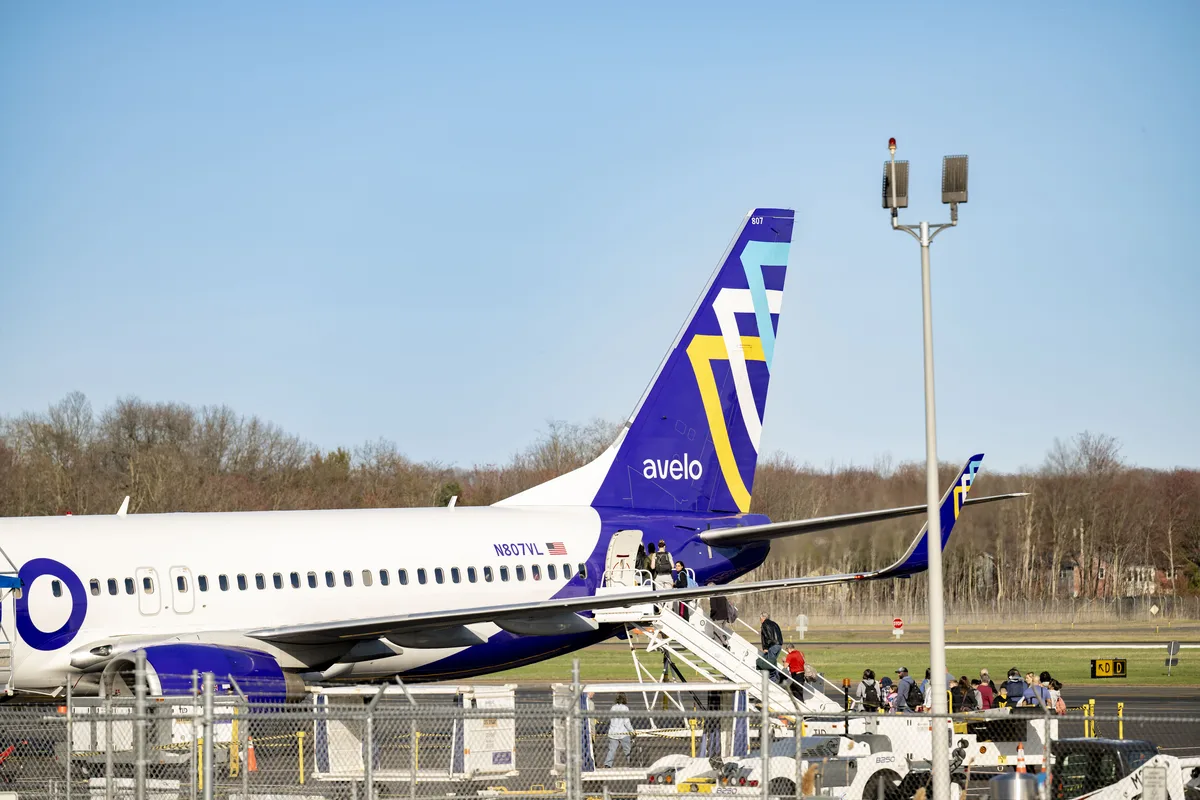
Spirit Airlines is in bankruptcy, and the timing couldn't be more telling. While United and Delta are posting the kind of profits that make Wall Street smile, the ultra-low-cost carrier model is flaming out. This isn't a fuel-price story. This is a strategy story — and budget carriers are on the wrong side of it.
The playbook that built Spirit, Frontier, and their ilk was simple: strip out every amenity, slash the base fare, and charge for everything else. It worked when travelers had no good alternative and legacy carriers were still bloated from their own near-death experiences. That window has closed. United and Delta restructured, got lean, and started competing on price where it counts — without gutting the experience.
Read more Boeing, Lockheed, Oracle Back Trump's Freedom 250 Celebration →
Passengers have figured it out too. That $49 Spirit fare looks a lot less attractive when you're paying $35 for a carry-on, sitting in a seat with zero recline, and praying the connection holds. Legacy carriers and even Southwest built loyalty ecosystems — miles, upgrades, lounges — that keep flyers coming back. Spirit built a race to the bottom. Turns out the bottom wasn't profitable.
The deeper issue is structural. Budget airlines run razor-thin margins that leave zero cushion for disruption — whether that's a demand dip, a labor dispute, or an operational meltdown. When your entire value proposition is price and price alone, you have no moat. One bad quarter and you're burning through reserves. That's exactly what happened here.
Don't expect this to be the last funeral in the discount bin. The U.S. airline industry is consolidating around carriers that figured out how to sell value, not just volume. If you're trading airline stocks, the signal is clear: pricing power wins. Bare-bones doesn't. Continue reading at US Top News and Analysis.