Buffett Backs Estate Tax but His Billions Will Dodge It
Warren Buffett supports taxing the ultra-wealthy but his charitable giving strategy means his estate will never see a federal tax bill.
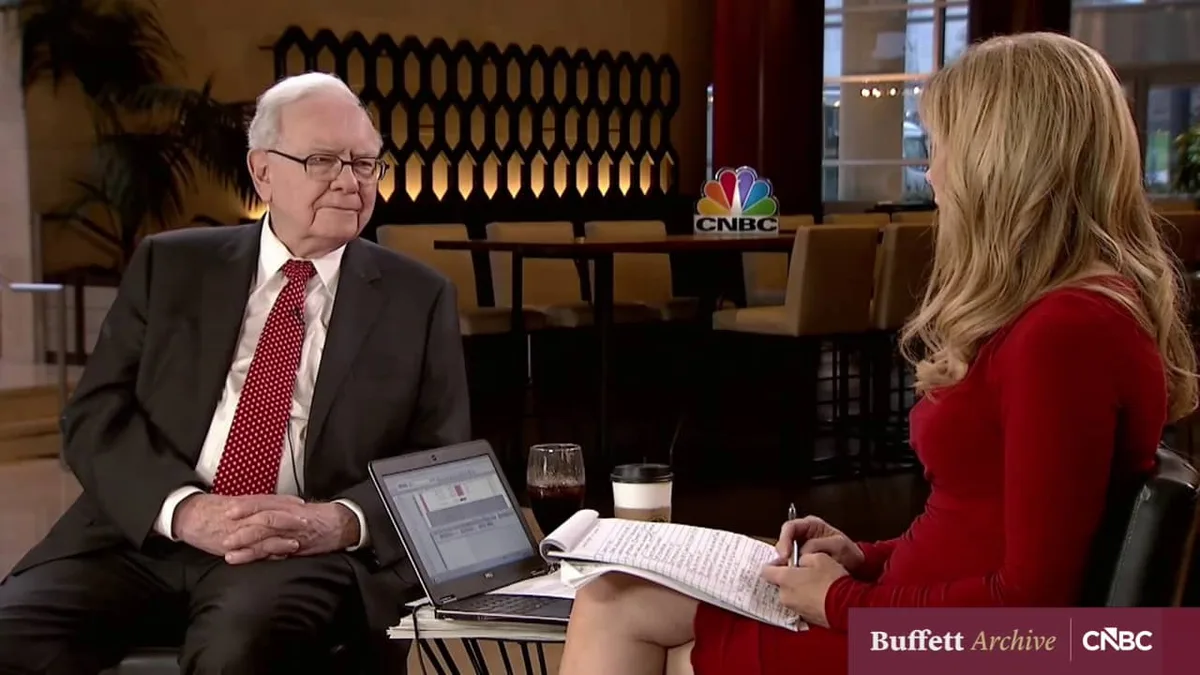
Warren Buffett talks the talk on taxing the rich. He's said publicly that billionaires — himself included — are under-taxed. He supports the estate tax. He thinks the wealthy should pay more. Fine. But here's the part that matters: he won't pay it.
Buffett's strategy is straightforward and perfectly legal. By directing his massive fortune toward charitable giving rather than passing it directly to heirs, he sidesteps the very estate tax he champions. No estate tax bill. No billions to the government. The money goes to philanthropy instead — which, depending on your politics, is either admirable or a glaring contradiction.
Read more HELOC vs. Home Equity Loan Rates: Today's Key Spread →
He's not alone. Virtually every billionaire who publicly endorses higher wealth taxes has a team of advisors ensuring their own estate never takes the hit. Charitable foundations, donor-advised funds, and other vehicles are the playbook. The rhetoric says "tax me more." The legal structure says something different.
For retail investors and regular folks, there's a real takeaway here. Estate planning is not just a billionaire game. Gifting strategies, charitable vehicles, and trust structures are accessible at far lower wealth levels — and the gap between what you say and what you do in tax planning can be enormous. Know the tools, use them, and stop leaving money on the table.
The broader policy debate over the estate tax remains unresolved, and Buffett's position illustrates exactly why: even its loudest supporters have structured their finances to avoid it. Continue reading at US Top News and Analysis.