Buffett vs. Musk: Moats or Moonshots for Your Portfolio
Two investing philosophies clash: Buffett's durable moats vs. Musk's disruptive moonshots. Which style wins for modern traders?
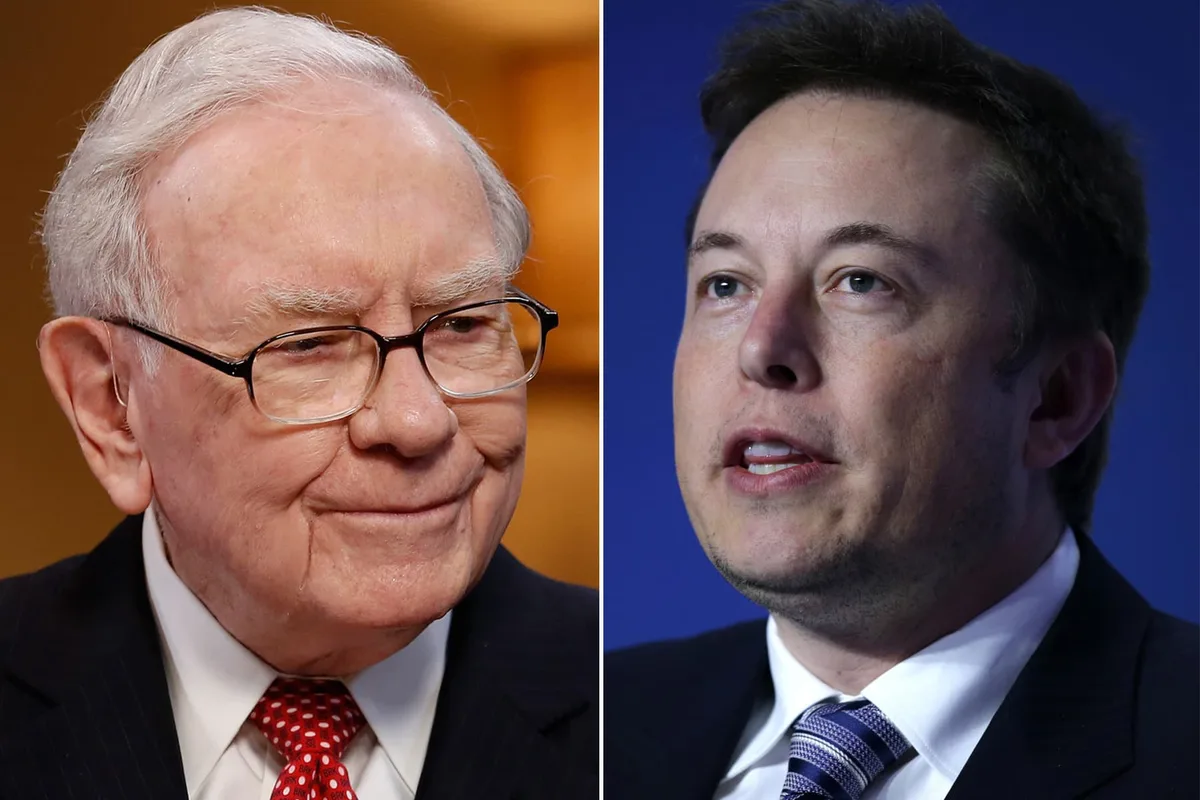
Two of the most influential figures in modern investing don't just disagree on stocks — they disagree on reality itself. Warren Buffett bets on businesses with wide economic moats: durable competitive advantages that keep rivals out and cash flowing in. Elon Musk sees moats as a trap, a sign that a company is defending old ground instead of seizing new territory.
This isn't just a philosophical spat. It's the central tension every trader faces right now. Do you buy the boring, cash-generating stalwarts that Buffett has compounded wealth on for decades? Or do you ride the disruptive, capital-burning rockets that Musk champions — high risk, potentially generational reward?
Read more Amazon, Meta, Microsoft Face Skeptical Investors After Google Scare →
The debate traces back to at least 2018, when the two indirectly squared off on the concept. Buffett's camp points to pricing power, brand loyalty, and switching costs as the real engines of long-term returns. Musk's camp argues that in a world of exponential technology, moats get disrupted overnight — and the only real edge is relentless innovation.
For retail traders, the practical takeaway is portfolio construction. Pure moat investing means you'll likely never blow up, but you might also miss the next decade-defining move. Pure moonshot investing means you could 10x your money — or watch it evaporate in a single earnings miss. Most disciplined traders blend both, sizing moonshots small enough that a zero doesn't wreck the account.
The Buffett-Musk style debate isn't settled — and honestly, it never will be. Markets reward both approaches at different points in the cycle. Know which mode the market is in, know your own risk tolerance, and size accordingly. Continue reading at US Top News and Analysis.