Democrats Push Bill to Block Foreign Money in US Elections
Raskin and Whitehouse target a Citizens United loophole letting foreign-owned firms spend on campaigns. Here's what's at stake.
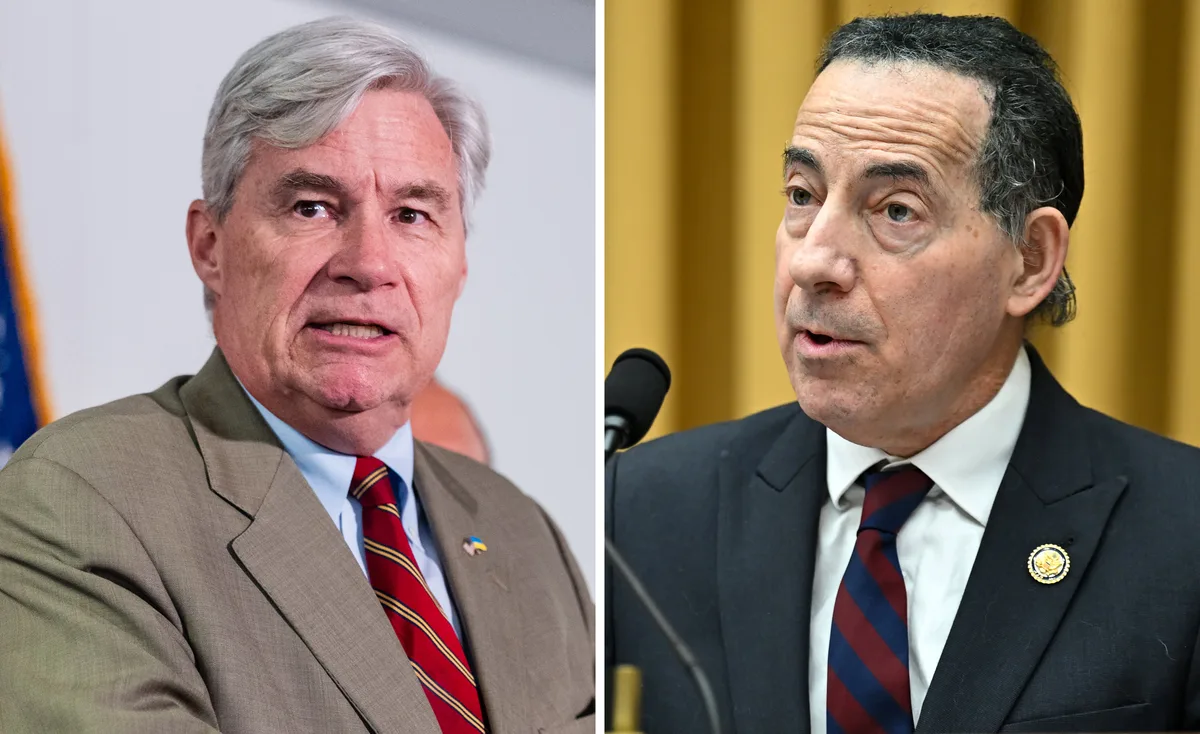
A fresh legislative push is taking aim at one of the murkiest corners of campaign finance law. Rep. Jamie Raskin of Maryland and Sen. Sheldon Whitehouse of Rhode Island are introducing a bill that would set clear foreign ownership thresholds for companies that want to spend money on U.S. political campaigns. If a company crosses those thresholds, it's out — no donations, no independent expenditures, no back-door influence.
The target is a loophole that opened up in the wake of the Citizens United decision. That ruling gave corporations broad latitude to pour money into elections, but it left a gap: foreign nationals can't legally donate, yet foreign-owned companies operating on U.S. soil have found ways to funnel money into the political process through domestic subsidiaries. Critics call it a significant vulnerability in American democratic integrity.
Read more UK Parliament Launches Probe Into Crypto Banking Barriers →
For traders and investors watching the political landscape, this matters more than it sounds. Campaign finance rules shape which industries get favorable regulatory attention — and which don't. A crackdown on foreign-linked corporate spending could ripple through sectors where overseas ownership is common, including tech, energy, and media. Watch how lobbying-heavy industries react if this bill gains traction.
The bill still faces steep odds in a divided Congress, but the political optics are potent. Both parties have claimed to oppose foreign interference in elections, which could give this legislation more crossover appeal than typical partisan fare. Whether it moves or stalls, it puts a spotlight on who's really funding the politicians making your market rules.
Continue reading at US Top News and Analysis