Europe Led Crypto Regulation — Now Comes the Hard Part
The EU set the global standard for crypto rules. Actually enforcing them is a different challenge entirely.
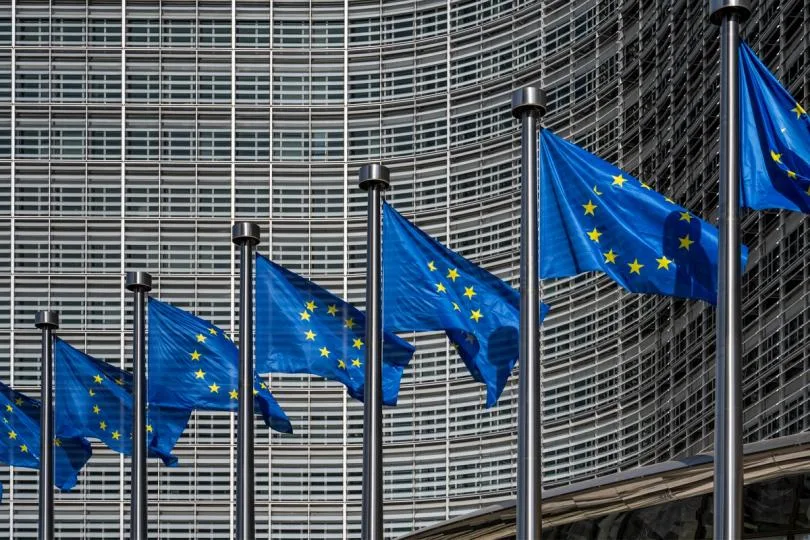
Europe built the rulebook. MiCA — the Markets in Crypto-Assets regulation — handed the EU a genuine first-mover advantage in crypto oversight, and Brussels wasn't shy about telling the world. The framework is comprehensive, it's live, and it covers everything from stablecoins to exchange licensing. On paper, it's the most ambitious crypto regulatory structure on the planet.
But ambition on paper and execution on the ground are two very different animals. National regulators across EU member states now have to actually implement MiCA's requirements — and that's where the cracks start to show. Enforcement capacity varies wildly from country to country. Some member states have seasoned financial supervisors ready to go. Others are scrambling to build the expertise from scratch.
Read more Sheriffs Group Drops Opposition to Crypto CLARITY Act →
For traders, this creates an uneven playing field that matters right now. A crypto firm licensed in a jurisdiction with a lighter-touch regulator can passport services across the entire EU. That's regulatory arbitrage dressed up in compliance clothing. The race to become Europe's preferred crypto hub — Ireland, Luxembourg, and others are all in the running — could undermine the very consistency MiCA was designed to deliver.
The stakes extend well beyond Europe's borders. Washington is still piecing together its own crypto framework, and other major economies are watching closely. If MiCA's implementation stumbles, it hands critics a ready-made argument against comprehensive regulation everywhere. If it works, it becomes the template the rest of the world copies. Europe doesn't just have a regulatory reputation on the line — it has a global standard-setting role to protect.
The regulation exists. The question is whether execution catches up to ambition before the market moves on. Continue reading at CoinDesk.