FDA Reverses Course on Cyclosporiasis Probe, Eyes Iceberg Lettuce
The FDA flip-flopped in its cyclosporiasis outbreak investigation, yet still points to iceberg lettuce as the likely culprit.
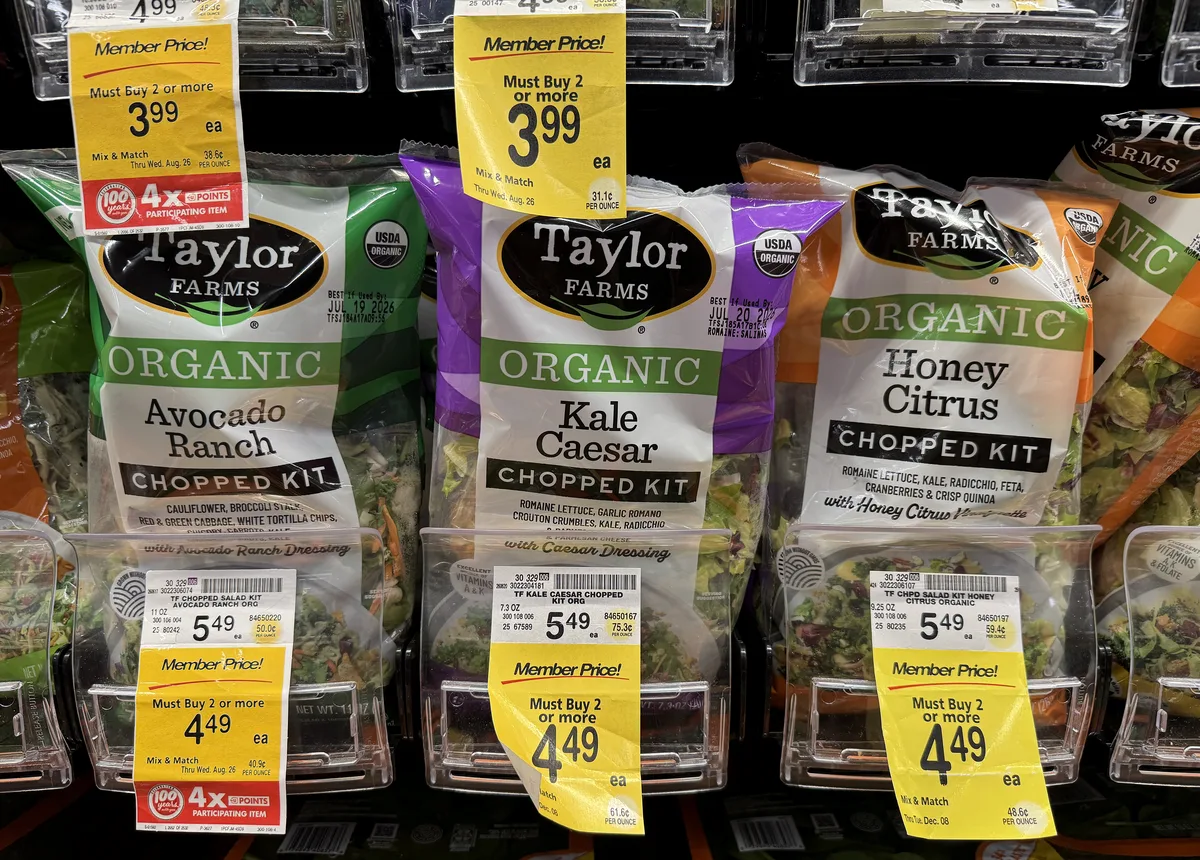
The FDA just pulled a U-turn in its ongoing cyclosporiasis outbreak investigation, and the whiplash is real. Companies scrambling to respond to earlier guidance are now recalibrating, and consumers who thought they had answers are back to square one. That kind of regulatory zigzag creates chaos up and down the supply chain.
Despite the reversal, the FDA isn't backing off its central theory: iceberg lettuce remains the agency's primary suspect in the outbreak. That's a significant detail — it means the core consumer warning hasn't evaporated, even if the investigative trail shifted. If you've been buying bagged salads or iceberg heads, this is still your problem to watch.
Read more Paramount-Warner Bros. Merger Blocked by Court Order →
For produce companies, the confusion is more than a PR headache. Shifting official findings can trigger fresh recalls, disrupt distribution contracts, and invite legal exposure — all before the science is even settled. The business risk here is real and ongoing, not hypothetical.
From a practical standpoint, cyclosporiasis is caused by the parasite Cyclospora cayetanensis, typically spread through contaminated food or water. Outbreaks tied to fresh produce have a pattern in the U.S., and they tend to move fast during summer months. The FDA's investigative stumble doesn't make the parasite any less dangerous — it just makes the agency look flat-footed.
Until the FDA lands on a definitive source and issues clear, stable guidance, the smart play is simple: hold off on raw iceberg lettuce and watch for updates. Regulatory reversals mid-outbreak are a red flag that the investigation isn't over. Continue reading at US Top News and Analysis.