Fed Chair Warsh Rewrites Rate Statement: Key Changes Explained
The FOMC's latest rate statement looks markedly different under Chairman Warsh. Here's what shifted and why it matters for traders.
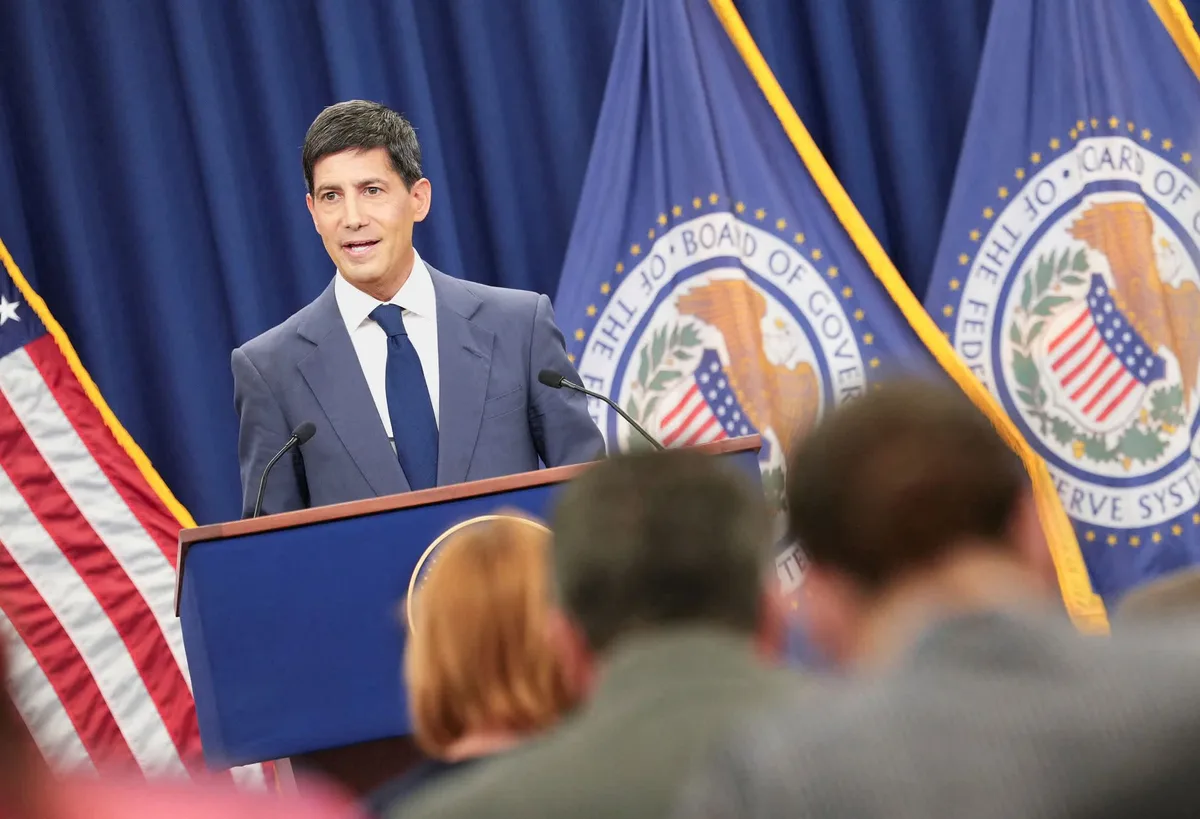
The Federal Reserve just dropped a rate statement that reads nothing like the last one. Chairman Kevin Warsh put his stamp on the FOMC's official language, and if you trade any asset tied to rate expectations — stocks, bonds, dollar pairs — you need to pay attention to the wording shifts.
The comparison between Wednesday's statement and April's release shows deliberate, meaningful edits. This isn't boilerplate tweaking. When a Fed chair changes the official language, markets reprice in real time. Every word in that statement is chosen on purpose, and deviations from prior language are a direct signal to traders about where policy is heading.
Read more Trace Finance Raises $32M to Scale Stablecoin Cross-Border Payments →
Warsh's rewrite marks a clean break from the tone and structure the Fed had been using. That kind of institutional language shift typically signals a chairman asserting a distinct policy framework — not just reacting to data, but reframing how the Fed communicates its priorities to markets. That framing shift is tradeable.
For retail traders, the playbook here is simple: compare old language to new language word by word. Where the Fed softens or hardens its characterization of inflation, employment, or economic uncertainty, you get forward guidance that no press conference fully clarifies. The statement is the trade signal.
Continue reading at US Top News and Analysis