Fed July Rate Hike Odds Climb as Oil Prices Surge
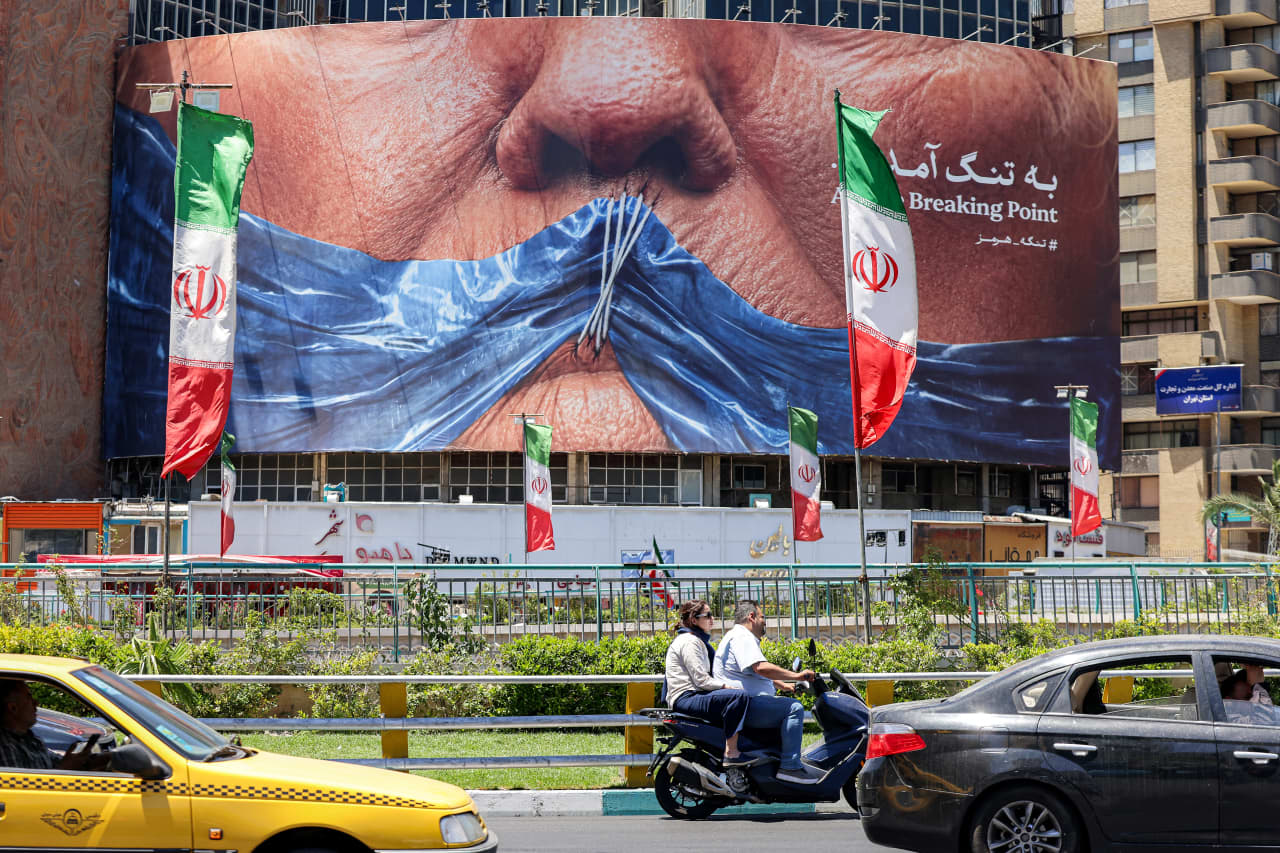
Rising oil prices tied to Strait of Hormuz tensions are pushing up the odds of a Fed rate hike in July.
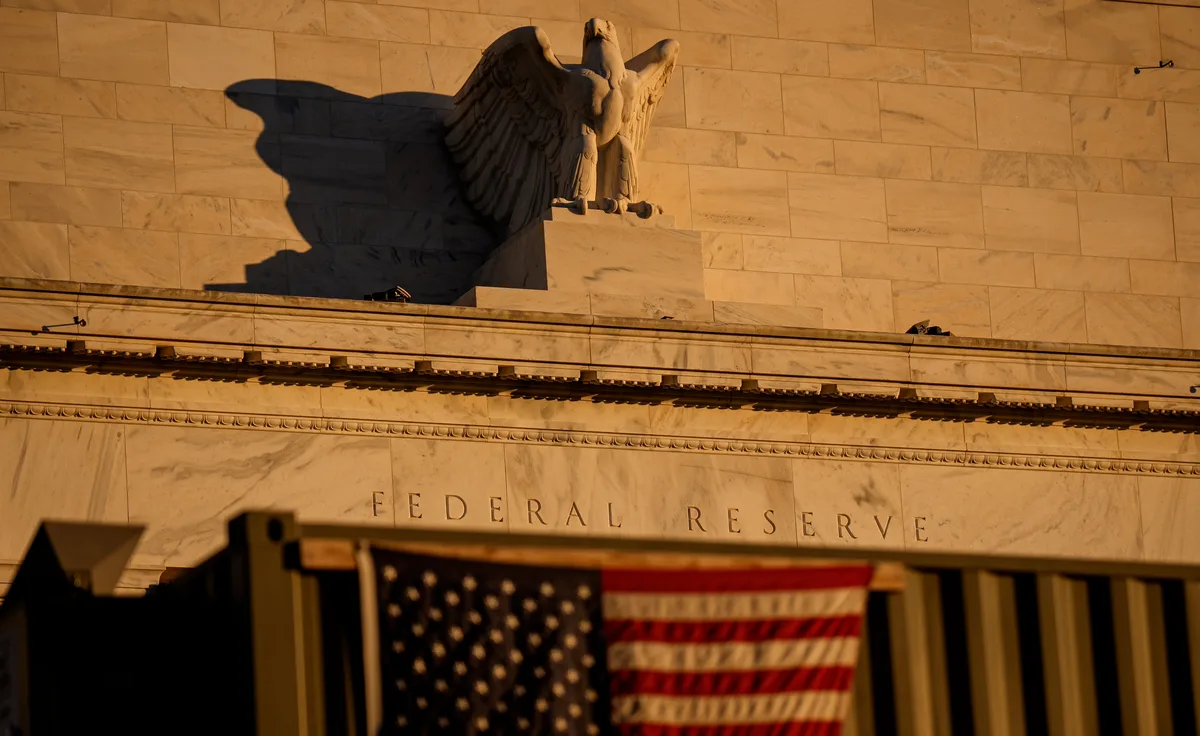
Traders, pay attention. The probability of a Federal Reserve rate hike this July just got a meaningful boost, and it's coming from a direction you might not have expected — the oil market.
Crude prices jumped following the latest developments in the Strait of Hormuz, that critical chokepoint for global energy supply. When oil spikes, inflation expectations follow. When inflation expectations rise, the Fed's hand gets forced. That's the chain reaction playing out right now.
Read more Big Banks Eye Boom Quarter Fueled by SpaceX IPO and War Volatility →
A July hike had been off most traders' radar. But rising energy costs complicate the Fed's already delicate balancing act between cooling inflation and avoiding a hard economic landing. Any sustained oil rally keeps price pressures alive longer than policymakers want.
Watch the rate futures market closely. Shifting odds there are your real-time signal on how Wall Street is repricing Fed risk. If Hormuz tensions escalate further, those July hike probabilities aren't done climbing. Position accordingly — don't get caught flat-footed assuming the Fed stays on pause.
Continue reading at US Top News and Analysis