Gifting Inherited Stock Back to Mom Can Erase Decades of Capital Gains
A savvy family move turned an appreciated stock gift into a massive tax reset, wiping out 30 years of embedded gains.
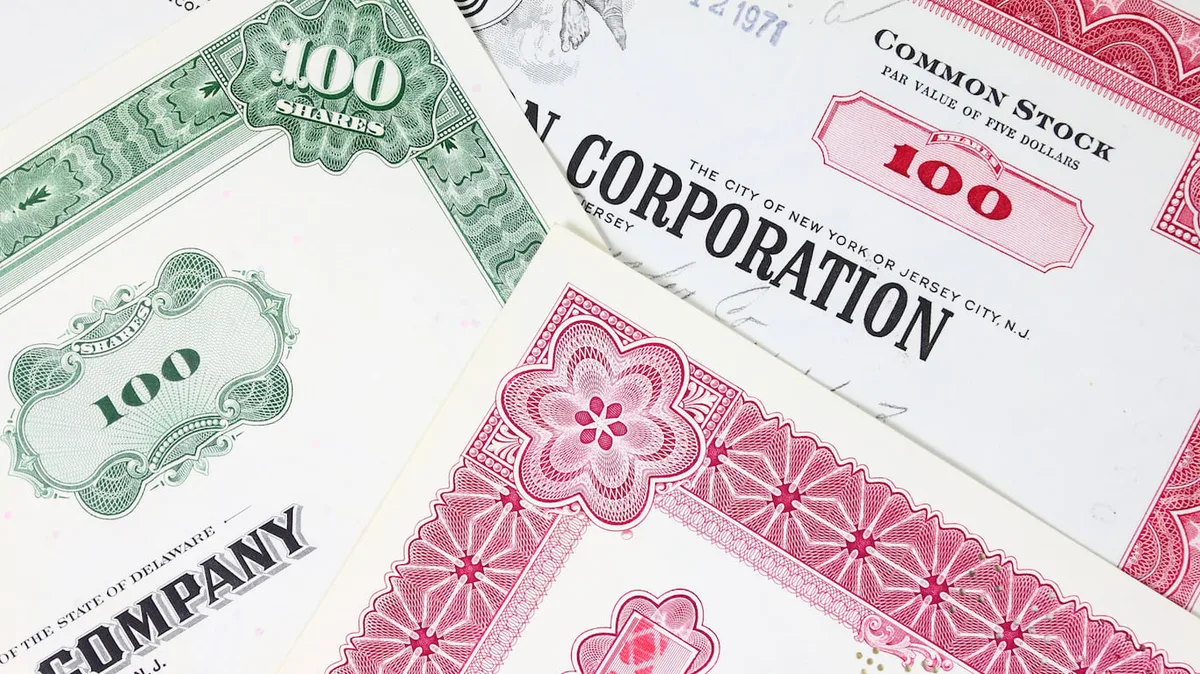
Here's a tax play most retail investors sleep on: give appreciated stock to an elderly parent, let them hold it, and when it passes back to you as an inheritance, the cost basis resets to the current market value. That's the step-up in basis rule, and it's one of the most powerful — and underused — tools in the tax code.
That's exactly what happened in this case. A family transferred stock they expected to inherit anyway back to their mother. Eighteen months later, she passed, and the shares came back to them with a fresh cost basis. Thirty years of capital gains — the kind that would have triggered a massive tax bill — were effectively erased overnight. Zero owed on decades of appreciation.
Read more HELOC vs. Home Equity Loan Rates: Today's Key Spread →
This isn't a loophole in the shady sense. The step-up in basis is written into federal tax law and has survived multiple reform efforts. But you have to plan ahead. The asset has to be in the parent's name and part of their taxable estate when they die. Timing matters, and so does the relationship between the gift, the estate size, and any gift tax exposure on the transfer in.
The risk? If the parent sells the stock while they're alive, you've handed them a capital gains bill. And if Congress ever axes the step-up provision — something that gets floated in budget debates regularly — the math changes entirely. This strategy demands coordination with an estate attorney and a tax advisor, not a Reddit thread.
Still, for families sitting on stocks with massive unrealized gains, this move can save six figures in federal taxes. It's not complicated. It just requires thinking a few moves ahead. Continue reading at Yahoo Finance.