Gundlach: Warsh Won't Be the Easy-Money Fed Chair Bulls Wanted
Jeffrey Gundlach says Kevin Warsh isn't the dovish Fed pick markets hoped for, which could keep inflation and long rates in check.
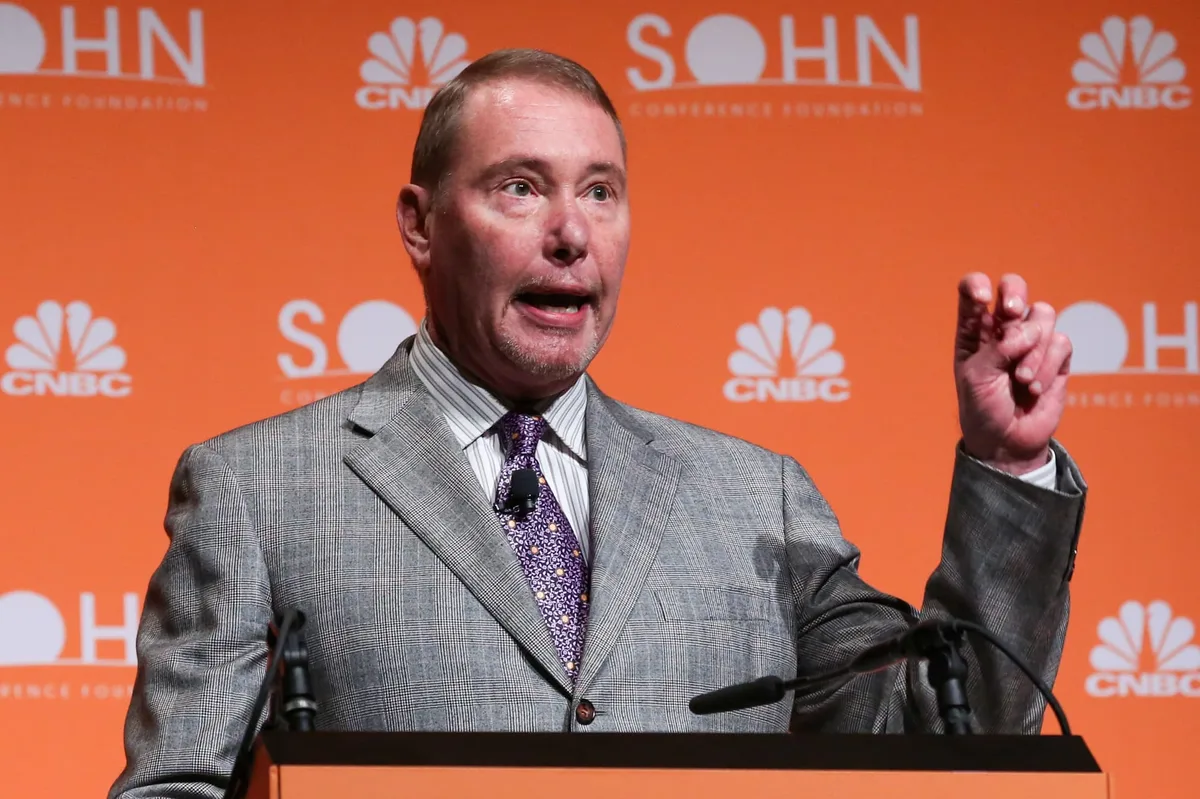
If you were banking on a rate-cutting party once Kevin Warsh took the Fed's top seat, Jeffrey Gundlach has bad news for you. The bond king says Warsh is simply not the easy-money chairman that a lot of traders and investors were quietly rooting for — and that changes your playbook.
Gundlach's read is that Warsh brings a more disciplined monetary stance to the table. That means the kind of ultra-accommodative policy that flooded markets with cheap money — and eventually lit the inflation fuse — is less likely to make a comeback under his watch. For bond traders especially, that's a meaningful signal worth pricing in now, not later.
Read more Trace Finance Raises $32M to Scale Stablecoin Cross-Border Payments →
Here's the upside Gundlach is flagging though: a Fed chair who isn't itching to slash rates also reduces the risk that longer-term borrowing costs spike again. Loose monetary policy has a habit of spooking the long end of the yield curve. A more hawkish-leaning Warsh could actually act as a ceiling on 10-year and 30-year yields over time — which is cold comfort for equity bulls but real comfort for anyone holding long-duration bonds.
The broader takeaway is a reality check on what many market participants assumed a Warsh-led Fed would look like. Easy money assumptions built into asset prices may need revisiting. Gundlach's view suggests the inflation fight isn't being handed off to someone ready to declare victory and open the spigots. Position accordingly.
Continue reading at US Top News and Analysis