Hormuz Bypass Pipelines Won't Fully Shield Oil Supply Risk
New pipelines aim to route around the Strait of Hormuz, but analysts warn the infrastructure remains exposed to Iran's reach.
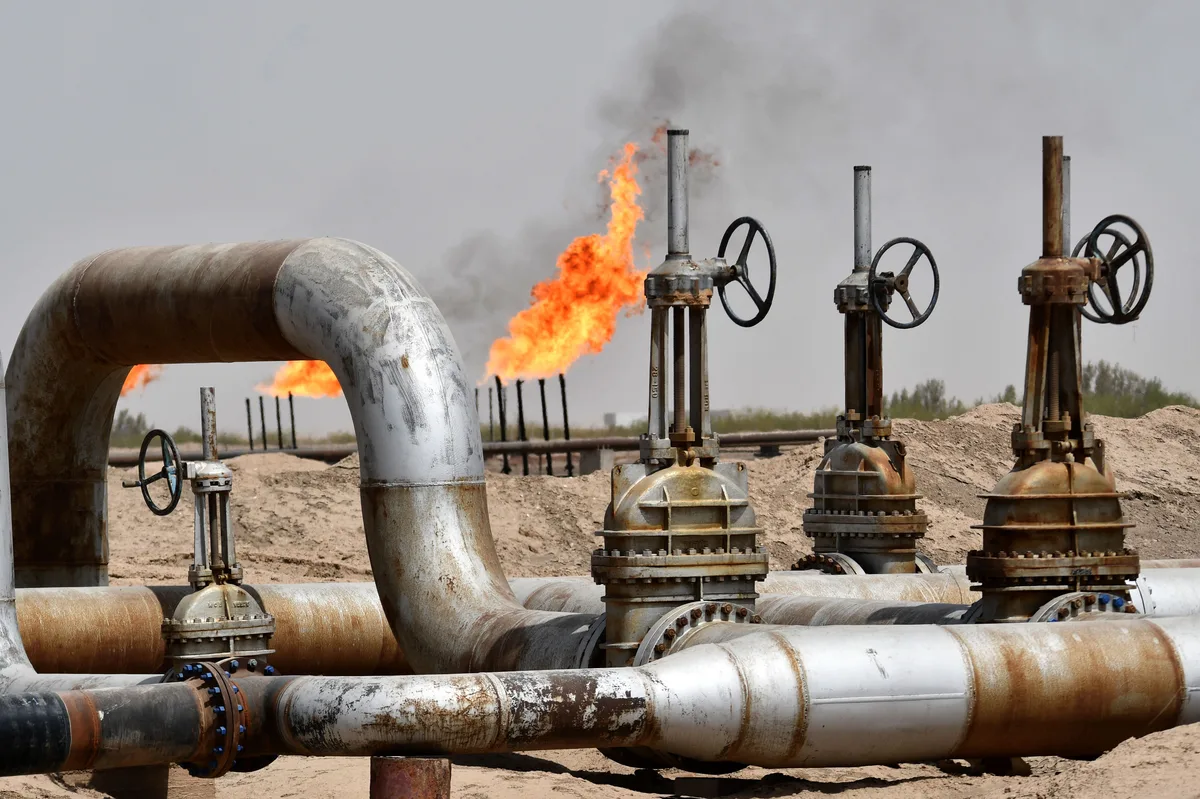
You think pipelines solve everything? Think again. Gulf oil producers are rushing to build and plan new pipeline routes designed to sidestep the Strait of Hormuz — the chokepoint that handles roughly a fifth of the world's oil supply — but analysts are throwing cold water on the idea that steel in the ground fixes a geopolitical problem.
Iran's leverage over Middle East crude exports has always been about more than one narrow waterway. The Strait is the obvious flashpoint, but the threat picture is wider. Any infrastructure running through or near the region sits within range of the same actors and the same escalation dynamics. Pipelines can be bombed, sabotaged, or sanctioned just like tanker lanes can be blockaded.
Read more Tim Draper's Next Big Bet After Tesla and SpaceX Wins →
The logic of diversification is sound in principle — reduce single points of failure, give buyers alternative routes, keep barrels moving even if the Strait gets hot. But execution is the hard part. These projects take years to build, cost billions, and still land in a neighborhood where Iran has demonstrated both the will and the capability to strike energy assets far from any strait.
For traders, the takeaway is blunt: don't price out the Hormuz risk premium just because a pipeline announcement drops. Supply disruption risk in the Persian Gulf is structural, not geographical. Until the underlying political tension between Iran and the Gulf states — plus their Western backers — shifts meaningfully, new infrastructure is a partial hedge at best, not a cure.
Continue reading at US Top News and Analysis