Intel Stock Surges on Fastest Revenue Growth in Nearly 15 Years
Intel posted blowout earnings and guidance, riding the AI wave to its strongest revenue growth in almost 15 years.
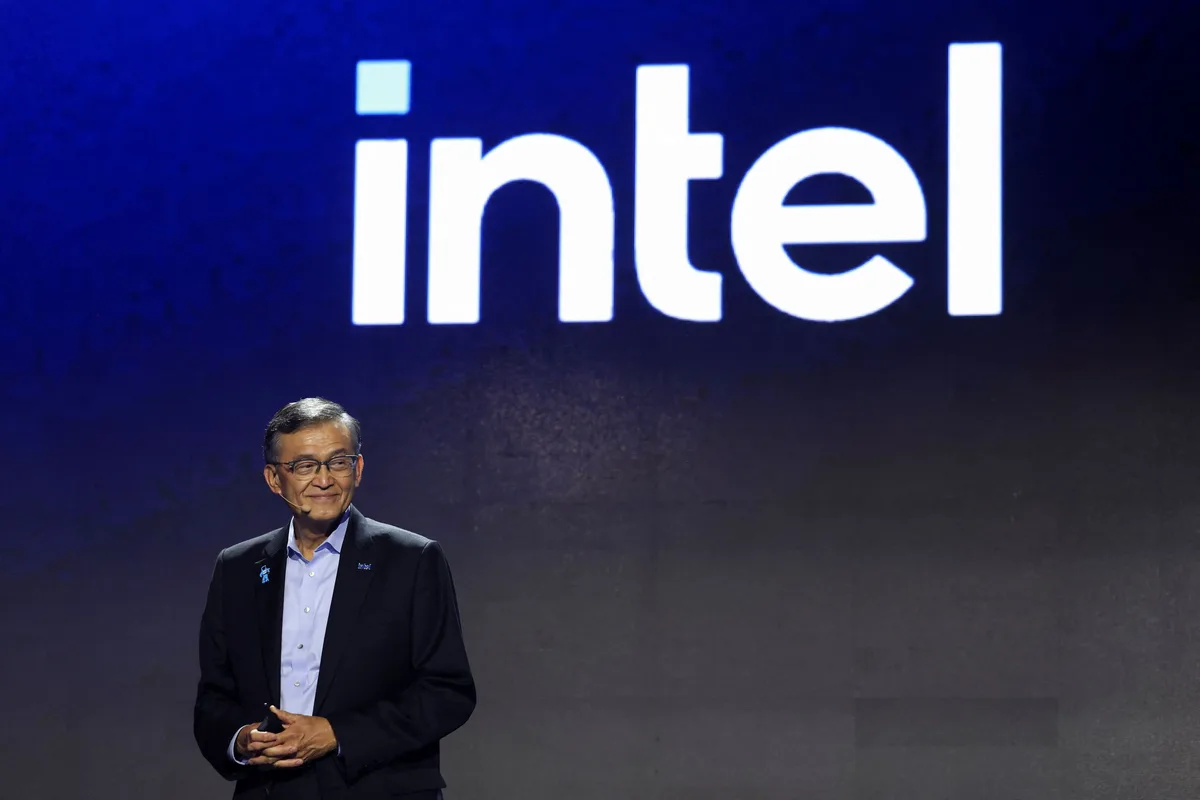
Intel just reminded Wall Street why you don't count out a legacy chipmaker. Shares jumped sharply after the company dropped blowout quarterly earnings alongside guidance that blew past expectations — the kind of print that forces short sellers to cover fast.
The driver? The AI boom. Intel is finally catching a serious tailwind from surging demand for AI-capable chips and infrastructure, pushing the company to its fastest revenue growth in nearly 15 years. That's not a rounding error — that's a full-blown turnaround signal.
Read more Intel's Turnaround Is Real and Tan Is Making It Happen →
For traders watching the semiconductor space, this matters. Intel's result adds weight to the thesis that the AI spending cycle isn't narrowing to just a handful of names. Legacy players with scale and manufacturing reach are now in the game, and Intel's numbers make that hard to argue against.
The blowout guidance is arguably the bigger story here. Revenue beats are one thing, but when a company signals it sees the momentum continuing, institutional money has to reconsider positioning. Expect analyst price target upgrades to follow in the days ahead.
If you've been sleeping on INTC, today's print is your wake-up call. The AI trade just got a wider lane. Continue reading at US Top News and Analysis.