Iran War Oil Spike Created Winners, But Long Bets Get Harder
The U.S.-Iran conflict drove oil volatility and big short-term gains. Holding that trade long-term is a different, trickier game.
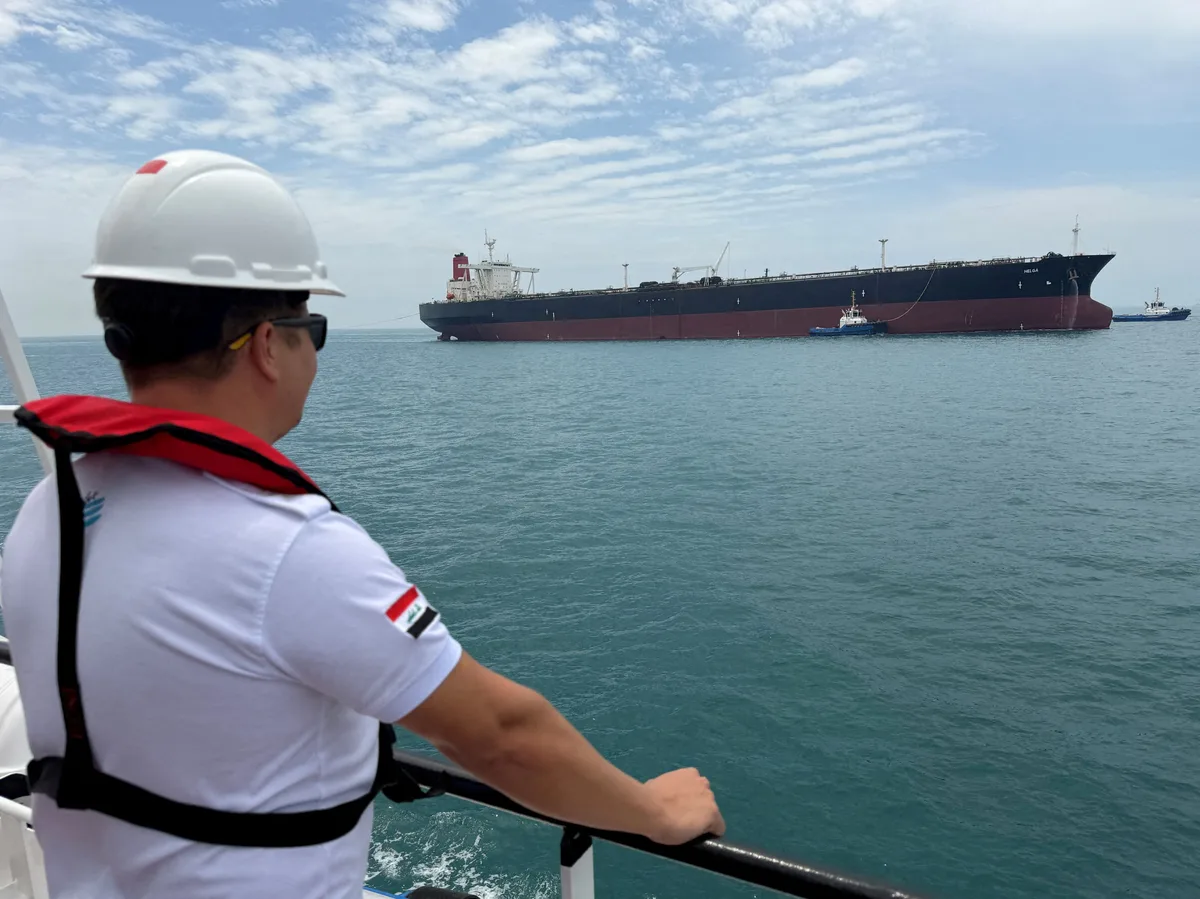
If you rode the Iran war oil spike, congrats — you nailed one of the fastest geopolitical trades of the year. U.S.-Iran tensions lit a fire under crude prices and handed quick-footed investors some serious profits. That's the easy part of the story.
Here's where it gets real: staying long on that same trade is a completely different bet. Oil markets priced in the fear fast, and fear trades have a short shelf life. Once the initial shock fades, you're left holding a position driven by a narrative that the market has already discounted. That's a losing setup more often than not.
Read more Lam Research 10-Year Return: What $10K Became →
The smarter move, according to analysts, is to shift your gaze toward longer-term energy themes rather than chasing the geopolitical headline. The Iran war premium in oil is a momentum trade, not a thesis. Buy-and-hold investors need a thesis — one that doesn't depend on missiles flying to stay profitable.
Volatility itself was the real product here. Traders who knew how to play options or futures around the conflict captured outsized moves in both directions. Directional bulls who just bought crude and sat back are now staring at a much murkier setup as the situation evolves and supply dynamics reassert themselves.
Bottom line: take your profits from the war trade seriously, reassess your energy exposure, and start doing homework on where the durable energy story actually lives. Continue reading at US Top News and Analysis.