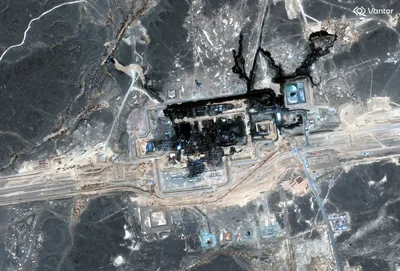
Iran War Reshapes How Stocks, Bonds, and Oil Move Together
Rising energy prices are rattling global markets as oil takes the wheel, reshaping classic asset relationships.
Oil is running the show right now, and if you're trading stocks or bonds without watching crude, you're flying blind. The conflict involving Iran has pushed energy prices higher, and that move is sending ripples across every major asset class. This isn't your typical market environment — the old correlations are breaking down fast.
When oil spikes on geopolitical risk, it squeezes corporate margins, fans inflation fears, and makes central bankers sweat. That combo is toxic for equities and bonds at the same time, which is exactly the scenario playing out. Investors who relied on the classic stocks-bonds diversification hedge are finding less shelter than expected.
Read more Oil and Treasury Yields Move in Lockstep: What It Means for You →
For traders, the tradeable angle is clear: oil is now the leading indicator, not a sideshow. Watch crude first, then position in equities and rates accordingly. A sustained move higher in energy prices could pressure the Federal Reserve to keep policy tighter for longer, which hammers growth stocks and long-duration bonds simultaneously.
Geopolitical conflicts in the Middle East have historically caused short-term oil spikes that fade. But if the Iran situation escalates further, the premium baked into crude could become structural rather than temporary. That changes the playbook entirely — and you need to be ready to adapt your portfolio before the market forces your hand.
Continue reading at MarketWatch.com