Iraq-Syria Pipeline Deal Opens Alternative to Hormuz Strait
Iraq and Syria ink an oil pipeline pact that could reshape Middle East energy flows and reduce reliance on the Strait of Hormuz.
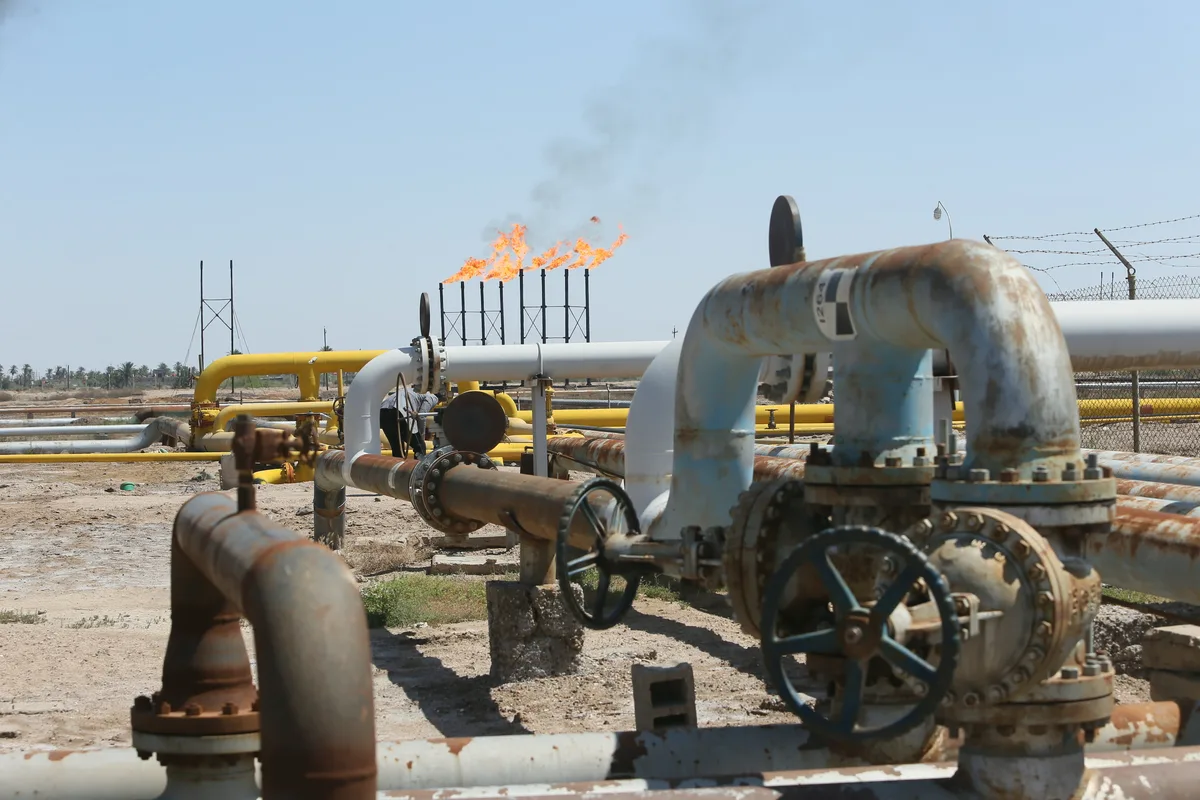
Iraq and Syria have signed an agreement to restore an oil pipeline connecting the two countries — a deal that traders need to pay attention to. If completed, this route would offer a meaningful alternative to the Strait of Hormuz, one of the world's most critical and geopolitically sensitive oil chokepoints. Any infrastructure that reduces dependence on that passage is a big deal for global energy markets.
The timing is notable. Iraqi Prime Minister Ali al-Zaidi is in Washington this week and sat down with President Donald Trump at the White House on Tuesday. That meeting signals Baghdad is actively working both its regional relationships and its ties with Washington simultaneously — a balancing act that carries real implications for oil supply diplomacy.
Read more Volatility Signal Points to Magnificent Seven Earnings Breakout →
For traders, think about what a functional Iraq-Syria pipeline actually means: more routing flexibility for Iraqi crude, reduced vulnerability to Hormuz disruptions, and potential downward pressure on the geopolitical risk premium baked into oil prices. That's not bullish for crude if the market starts pricing in a more secure Middle East supply chain.
The analytical layer here is strategic. Iraq sits on massive reserves and has long been constrained by infrastructure bottlenecks and export route dependencies. Restoring this pipeline — assuming political and security conditions allow — could meaningfully expand Baghdad's export optionality over the medium term. Watch how this develops before making any big directional bets on energy.
Continue reading at US Top News and Analysis.