K, C, or E? Economists Clash Over Economy's True Shape
The post-pandemic 'K-shaped' recovery consensus has collapsed. Economists now can't agree on what letter best describes today's economy.
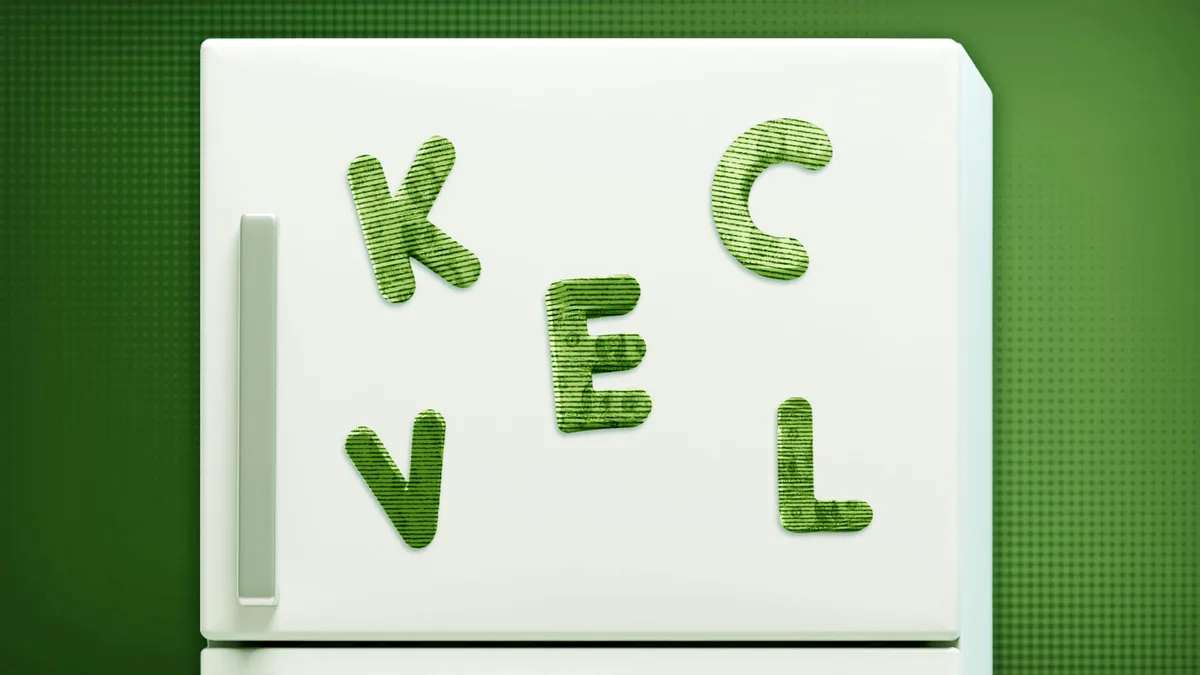
For a while, the 'K-shaped' economy was the hottest take in every boardroom and trading desk. The idea was simple: the wealthy shot upward while lower-income Americans got crushed. Clean narrative, easy visual. Economists loved it. That consensus is now dead.
Debate has cracked open again, and this time there's no easy shorthand. Some analysts are floating 'C-shaped' or 'E-shaped' frameworks to describe how different income groups, sectors, and asset classes are behaving. When economists can't even agree on the letter, that's your signal the macro picture is genuinely murky — and murky macro means volatile markets.
Read more Is the K-Shaped Economy Finally Fading? Here's What Pros Say →
Here's why this matters to you as a trader or investor: the shape of the recovery dictates which sectors win. A K-shaped world favors luxury goods, tech, and financial assets. A different shape reshuffles the playbook entirely — think consumer staples, value stocks, or regional banks catching a bid while growth names stall out.
The breakdown in consensus also tells you something about data quality and interpretation. Economists are looking at the same numbers and reaching different conclusions. That's not just an academic problem — it shows up in how the Fed reads consumer stress, how retailers forecast demand, and how credit markets price risk.
Don't wait for economists to sort this out. Watch the actual spending data, credit card delinquency trends, and wage growth across income quintiles. The real shape of this economy is in the numbers, not the label. Continue reading at US Top News and Analysis.