Labor Force Participation Hits 50-Year Low as Job Seekers Quit
The unemployment rate dipped, but not for good reasons. More Americans are simply walking away from the job hunt entirely.
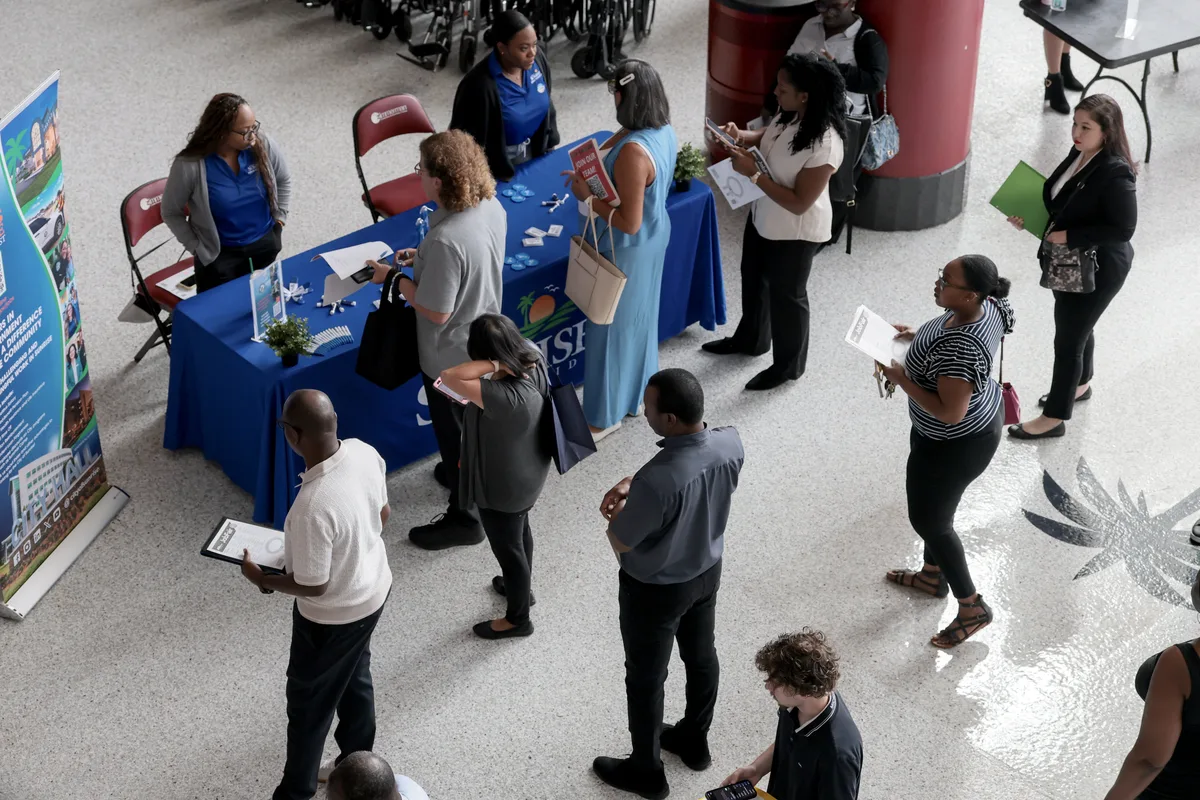
Don't let that falling unemployment rate fool you. When fewer people are actively looking for work, the jobless rate drops automatically — and that's exactly what happened. The labor force participation rate just hit its lowest point in 50 years outside of the Covid era. That's not a win. That's a warning sign.
When workers stop searching, they vanish from the official unemployment count. The headline number looks cleaner, but the underlying picture gets uglier. A shrinking labor force means less productive capacity, less consumer spending power, and less fuel for economic growth. Traders should think twice before reading a lower unemployment print as bullish.
Read more Heat Wave Threatens Power Grids During Peak July 4 Travel →
This kind of participation collapse tends to show up when people feel the job market just isn't worth the effort. Whether it's wages that don't pencil out, skills mismatches, or plain discouragement, the result is the same — a workforce that's quietly contracting. That's a structural drag, not a blip.
For markets, this adds a complicated layer to the Fed's calculus. Soft participation can signal underlying economic weakness even as inflation remains stubborn. The central bank watches participation closely as a gauge of labor market slack. Less participation could mean the economy is cooling faster than the headline numbers suggest — and that changes the rate-cut conversation entirely.
Bottom line: a jobs report that hides deterioration behind a falling unemployment rate is the kind of data you need to read past, not just react to. Dig into the participation numbers. That's where the real story lives. Continue reading at US Top News and Analysis.