Minimum Wage Hikes Lose Steam as Economic Mood Shifts
Once a ballot-box sure thing, minimum wage increases are hitting resistance as voters' economic anxieties evolve.
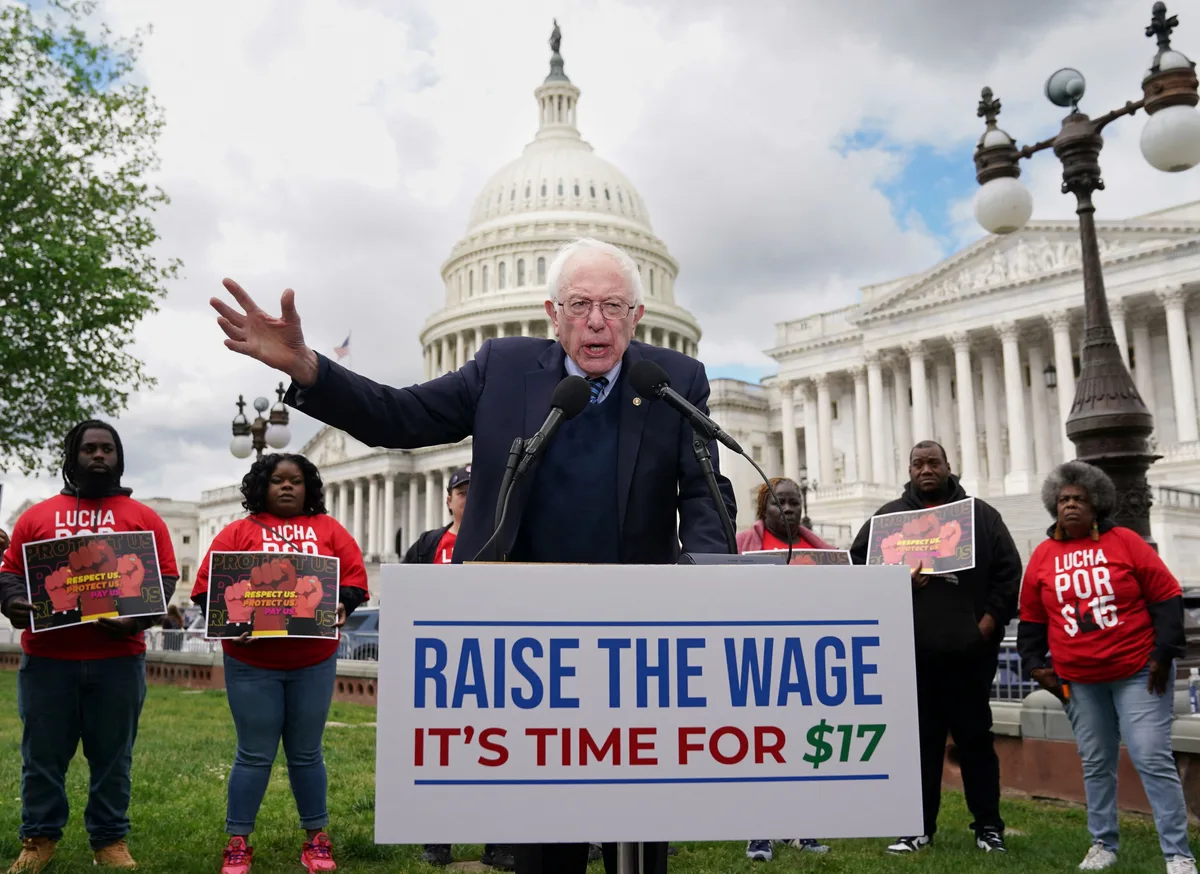
For years, raising the minimum wage was one of the safest bets in American politics. Put it on a ballot, watch it pass. Progressives leaned on it hard, and voters — even in red states — kept delivering wins. That streak is starting to crack.
Recent losses signal that the political calculus around minimum wage hikes is shifting. The same economic anxiety that once made higher pay a crowd-pleaser is now cutting both ways. Voters worried about inflation, small business survival, and job losses are weighing the tradeoffs more carefully than they used to.
Read more Binance Challenges MiCA's Value: Judge It by Who Gets Licensed →
This isn't just a policy story — it's a sentiment story. When wallets are tight, voters don't automatically side with higher mandated wages. Some start asking who actually pays for those increases. That question is getting louder, and politicians pushing wage hikes are feeling it.
For traders and market watchers, this shift matters. Consumer-facing companies — restaurants, retail, hospitality — have been absorbing wage pressure for years. If the political will to keep mandating increases is softening, that's a potential tailwind for margins in labor-intensive sectors. Watch how this plays out in state-level votes heading into the next election cycle.
The minimum wage fight isn't over, but the easy wins may be behind the movement. Economic headwinds have a way of reshaping what voters call "common sense." Continue reading at US Top News and Analysis.