Mortgage Demand Slumps as Rates Stay Locked in Tight Range
Rates haven't budged in over a month, and buyers aren't biting. Mortgage demand is paying the price.
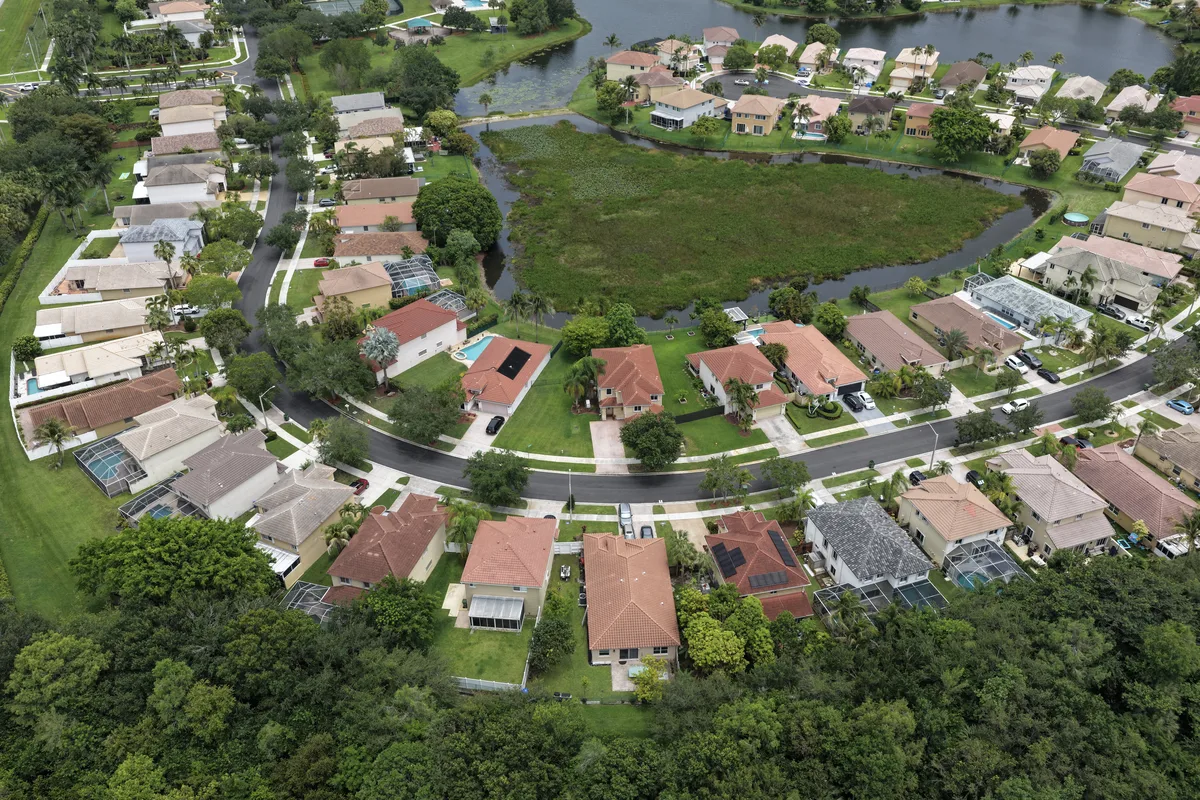
If you've been waiting for mortgage rates to make a dramatic move, you're still waiting. Rates barely shifted last week and have been stuck in a narrow band for more than a month now. That kind of stagnation doesn't inspire action — it breeds hesitation.
The result? Mortgage demand is sliding. When rates aren't falling, there's no urgency to lock in. Buyers who are on the fence stay on the fence. Homeowners who might refinance do the math and pass. The market goes quiet.
Read more Crypto and Stocks Drop as Trump Ends Iran Ceasefire →
This is the trap of a rangebound rate environment. It's not painful enough to force sellers to cut prices dramatically, and it's not cheap enough to pull sidelined buyers back in. Everyone's waiting for a catalyst that isn't showing up.
For traders watching the housing sector, flat rates don't mean flat risk. Stalled demand has downstream effects — on home builders, mortgage lenders, real estate brokerages, and the broader consumer economy. When transactions dry up, a whole ecosystem feels it.
The longer rates stay stuck, the more pent-up frustration builds on both sides of the market. When that dam eventually breaks — whether rates spike or drop — expect volume to move fast. Position accordingly. Continue reading at US Top News and Analysis.