Oil Market Flashes Urgent Warning on Gas Prices at the Pump
Crude oil buyers are paying steep premiums for immediate delivery as Iran tensions threaten global supply chains.
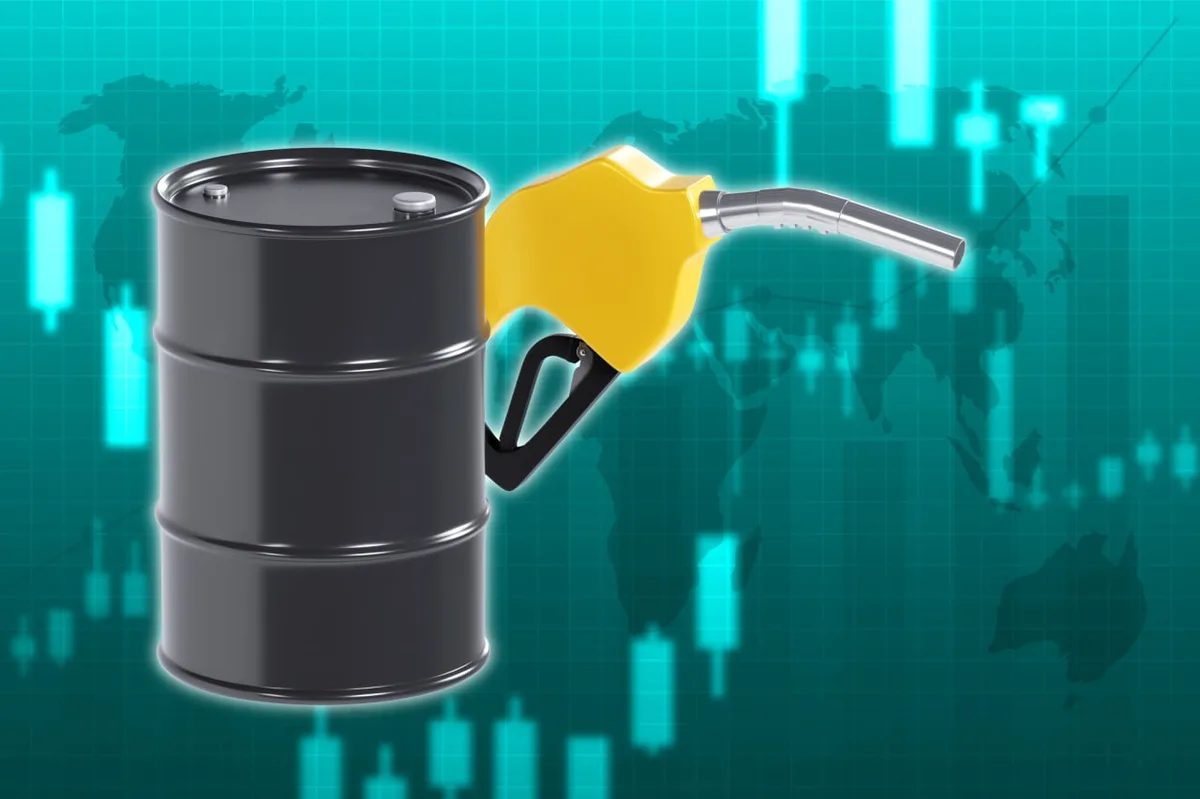
If you drive a car, pay attention: the oil market is screaming at you right now. Buyers are shelling out significantly more to get their hands on a barrel of crude oil today versus later — a classic danger signal that supply is tightening fast. That kind of urgency in the futures market doesn't stay buried in trading terminals for long. It eventually shows up at your local gas station.
The catalyst here is the escalating conflict involving Iran, one of the world's meaningful crude exporters. When geopolitical risk spikes in the Middle East, oil traders don't wait around — they pay up for immediate supply as a hedge against potential disruption. The widening gap between spot prices and future delivery prices, known as backwardation, is essentially the market betting that barrels will be harder to come by in the short term.
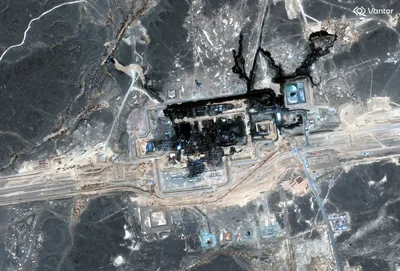
Read more Satellite Images Reveal Damage to Saudi Arabia's Key Oil Pipeline →
For retail traders, this setup is worth watching closely. Energy stocks, crude ETFs, and gasoline futures could all see heightened volatility. If the conflict intensifies or shipping routes get disrupted, the spike in prices could be sharp and fast. Conversely, any diplomatic de-escalation could just as quickly reverse the trade.
For everyday consumers, the math is simple: higher oil prices mean higher pump prices, and right now the market is pricing in real risk. Don't be caught off guard if you see costs jump at the gas station in the coming weeks. The market is giving you advance notice — the question is whether you're listening.
Continue reading at MarketWatch.com