Oil Spikes, Futures Slip as U.S.-Iran Tensions Escalate
Weekend strikes near the Strait of Hormuz rattled markets. Oil is up, stock futures are down — here's what traders need to know.
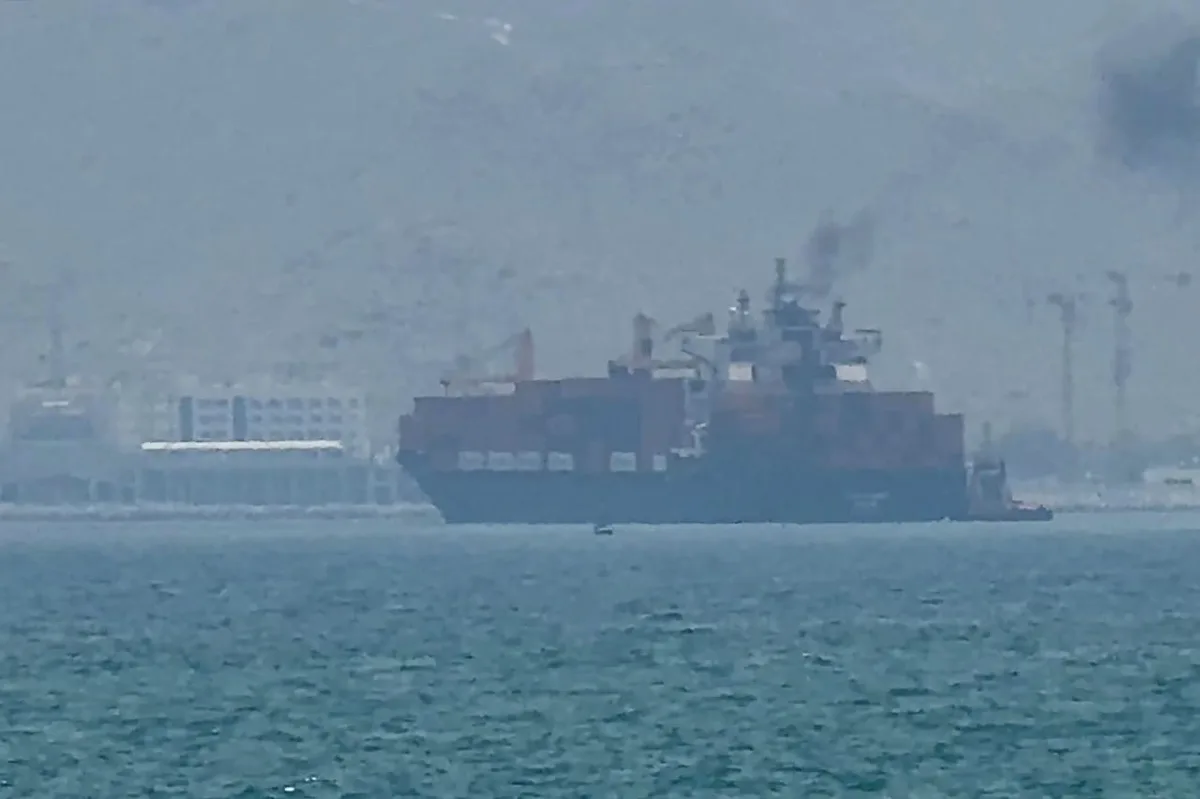
Markets opened the week on edge after the U.S. and Iran traded blows near the Strait of Hormuz over the weekend. Oil prices jumped on the news, while U.S. stock-index futures pulled back — a classic risk-off move that every trader should recognize instantly.
The Strait of Hormuz is the world's single most critical chokepoint for crude shipments. Any real or perceived threat to that corridor sends oil bulls running, and this weekend was no different. If the situation escalates further, you could see energy prices move hard and fast.
Read more Palantir CEO Delivers Blunt Take on OpenAI and Anthropic →
For equity traders, the dip in futures is a warning sign, not a buying opportunity — at least not yet. Geopolitical flare-ups like this rarely resolve in 48 hours, and the uncertainty premium tends to linger in the market longer than most retail players expect.
Watch energy sector ETFs, crude futures contracts, and defense stocks Monday morning. Those are your early read on how serious the Street thinks this situation really is. Volatility is back on the table, so size your positions accordingly and keep stops tight.
Continue reading at MarketWatch.com