Once-Dominant Retailer Has Shuttered More Than 1,000 Stores
A former retail powerhouse has closed over 1,000 locations, marking a dramatic fall from dominance on Main Street.
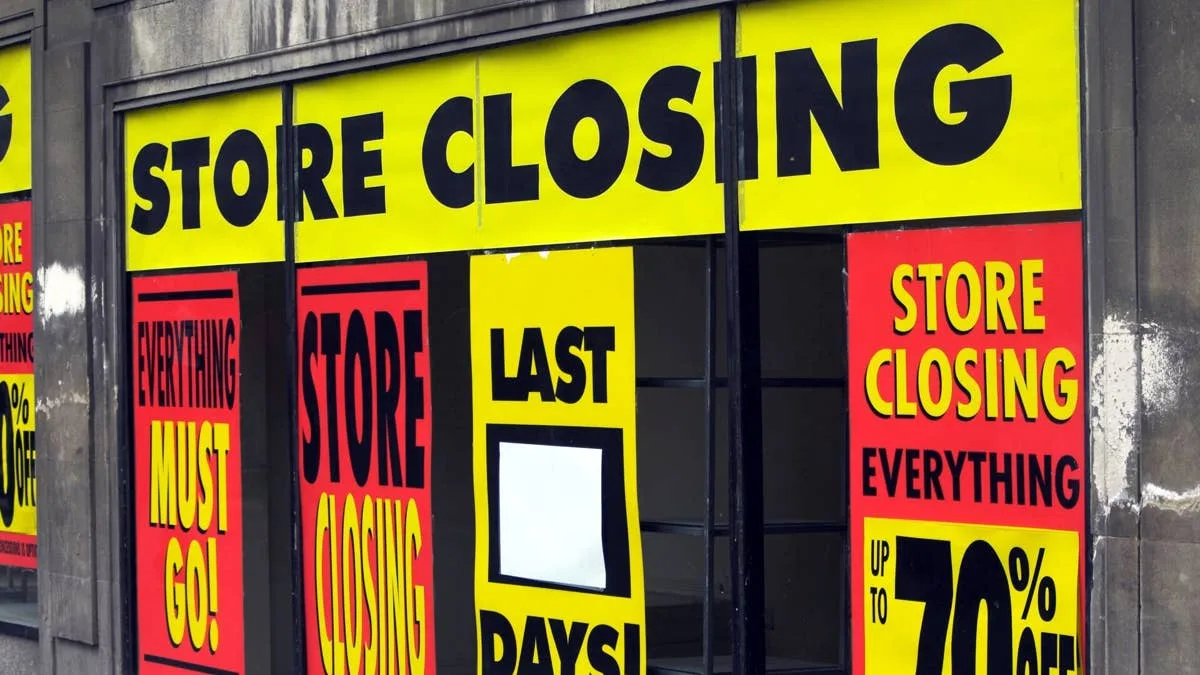
One of America's most recognizable retail brands has quietly crossed a grim milestone: more than 1,000 store closures. That's not a typo. Over a thousand locations — gone. If you shopped there as a kid, the nostalgia hits hard. If you're a retail investor, the signal is even louder.
This kind of contraction doesn't happen overnight. It's the compounding result of shifting consumer habits, the relentless pressure of e-commerce, and years of strategic missteps that left the chain unable to compete. When foot traffic dries up and lease obligations pile on, closures become the only lever left to pull.
Read more Boeing, Lockheed, Oracle Back Trump's Freedom 250 Celebration →
For traders, this story is a reminder that brand recognition is not a moat. Shoppers have options, and loyalty evaporates fast when convenience wins. The retailers surviving right now are the ones that figured out omnichannel early — the ones that treated their physical stores as assets, not liabilities.
The 1,000-closure mark is more than a headline number. It reshapes commercial real estate vacancy rates, hits mall operators, and ripples through the supply chains of thousands of vendors who depended on that shelf space. Secondary effects here are real and tradeable.
Watch which brands move into those empty locations — that's where the opportunity lives now. The fall of one giant is always the rise of another. Continue reading at Yahoo Finance.