Palantir CEO Karp Slams OpenAI and Anthropic Token Pricing Model
Alex Karp says runaway token costs are broken and pushing companies toward open-weight AI models instead.
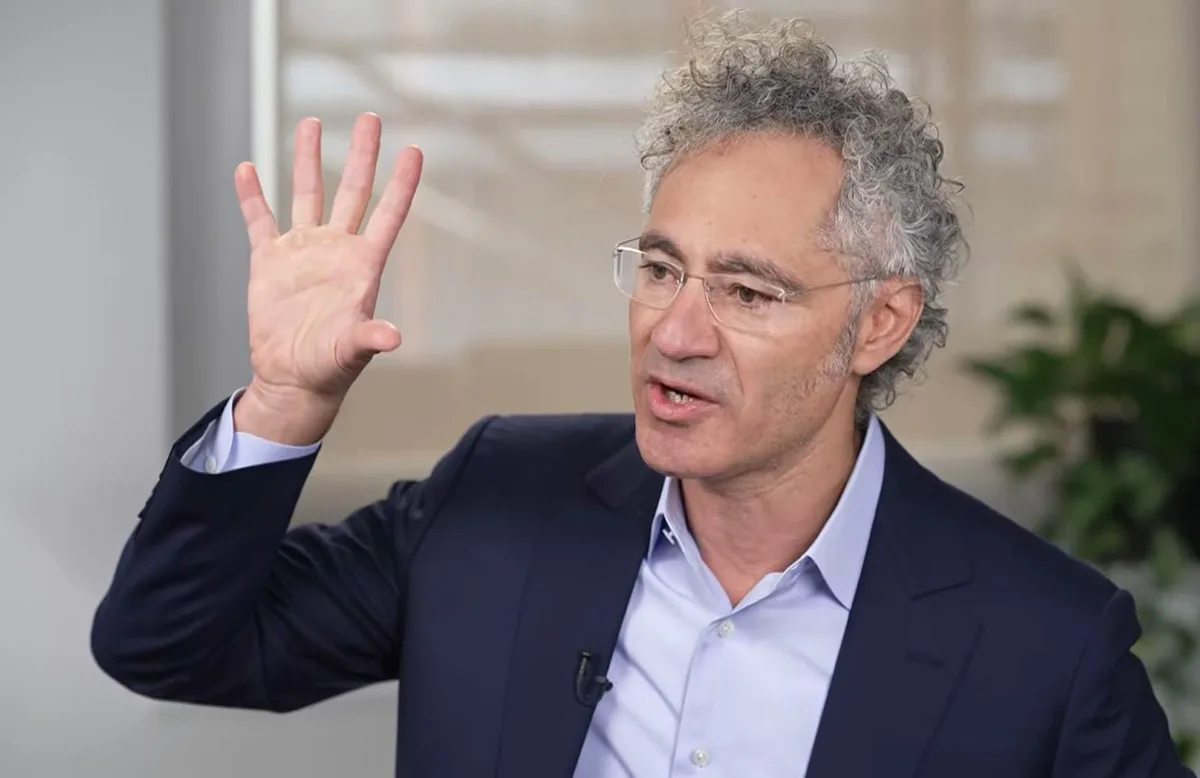
Palantir CEO Alex Karp isn't mincing words. He went after OpenAI and Anthropic directly, calling out what he sees as a fundamentally flawed token-based pricing model. His verdict? "Something has gone completely wrong." That's not a subtle critique — that's a broadside against two of the most heavily funded AI companies on the planet.
Karp's core argument is straightforward: token costs are skyrocketing, and enterprises are feeling the squeeze. When the bill for running AI gets too high, companies don't just sit there and pay it. They pivot. And right now, that pivot is toward open-weight models — the kind you can run yourself without writing a massive check to a frontier lab every time your app processes a request.
Read more Boeing, Lockheed, Oracle Back Trump's Freedom 250 Celebration →
The term Karp uses — "tokenmaxxing" — is the villain of his narrative. It describes the tendency to throw more tokens at a problem rather than engineer efficient, cost-conscious AI solutions. In his view, the current incentive structure rewards burning through tokens, not building lean systems. That's a problem if you're a company trying to actually deploy AI at scale without watching margins evaporate.
This matters for traders watching the AI space. Karp is essentially arguing that the moats around closed, expensive frontier models are weaker than the hype suggests. If enterprises increasingly migrate to open-weight alternatives, the revenue assumptions baked into valuations for OpenAI — and by extension any future IPO — deserve real scrutiny. Palantir, meanwhile, has been building AI platforms designed for operational efficiency, so Karp has skin in this game.
The pressure on token economics isn't going away. If anything, it intensifies as AI moves from pilot projects to mission-critical deployments. Watch which companies get squeezed by their own pricing models. Continue reading at US Top News and Analysis.