Prediction Markets Raise Insider Trading Flags at Major Firms
Wall Street is scrambling to update trading policies as prediction markets boom. Most companies have no answer yet.
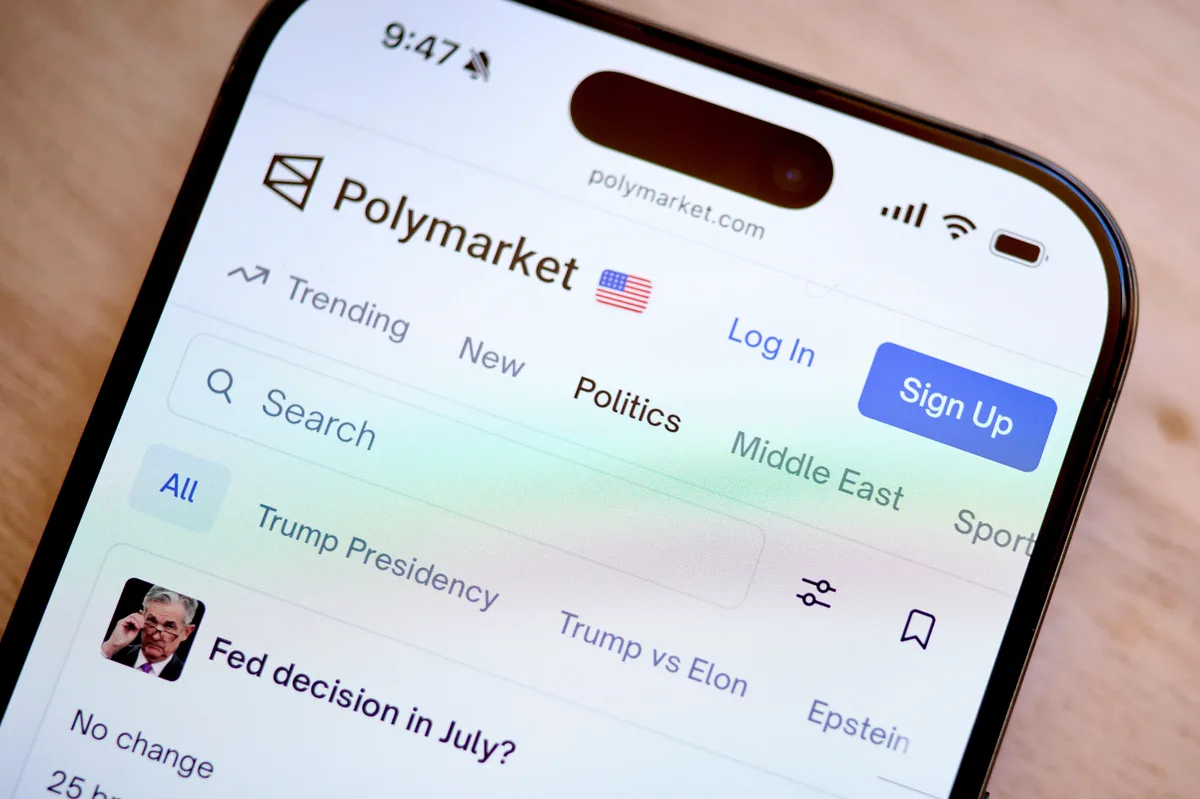
Prediction markets are blowing up — and corporate compliance departments are caught flat-footed. CNBC contacted 50 companies to ask a simple question: do you have a trading policy covering employee bets on prediction markets? Most couldn't give a straight answer. That silence is loud.
Think about what's actually at stake here. An employee who knows a merger is coming, an earnings miss is baked in, or a product launch is getting killed could theoretically place a winning bet on a prediction market before that information goes public. That's the classic insider trading playbook, just wearing new clothes. Regulators haven't fully caught up, and apparently neither have most corporate legal teams.
Read more Palo Alto CEO: AI Pricing Must Drop 90% for Mass Adoption →
Goldman Sachs is among the firms that did respond with some kind of policy framework — putting them ahead of the pack. But the broader picture is damning: the majority of the 50 companies CNBC surveyed either had no formal policy or declined to share one. In a market environment where prediction platforms are attracting real money and serious volume, that's a compliance gap you can drive a truck through.
For traders and investors, this is a signal worth tracking. If regulators — the SEC or CFTC — decide to step in and define prediction market activity as securities-adjacent, expect a wave of new restrictions. Companies that haven't acted yet are going to be playing catch-up fast. Watch for policy announcements from major financial institutions in the coming months; they'll be the canary in this particular coal mine.
The bottom line: prediction markets are no longer a novelty. They're a potential vector for information abuse, and the corporate world is only beginning to wrestle with that reality. Continue reading at US Top News and Analysis.