Record Beef Imports Aren't Fixing Your Expensive BBQ Prices
The U.S. is importing beef at record levels, yet prices at the grill keep climbing. Here's why more supply isn't helping your wallet.
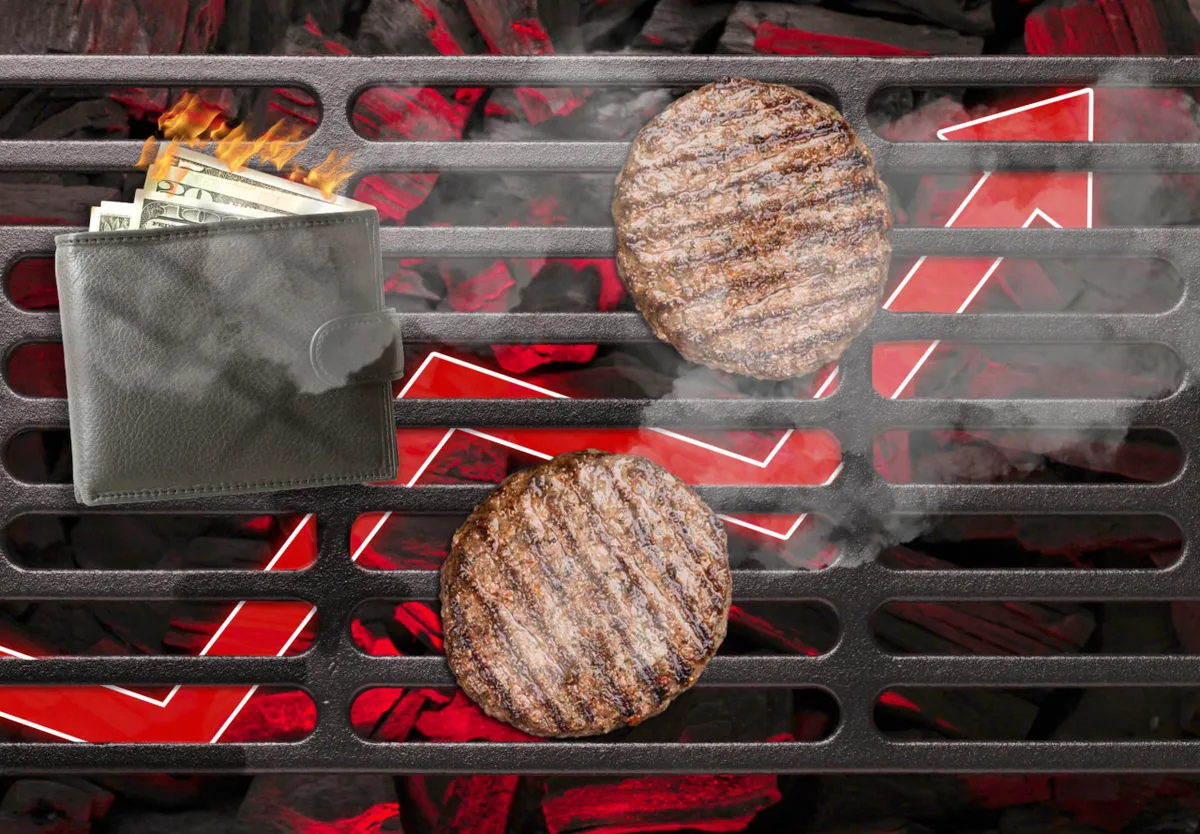
You'd think flooding the country with record beef imports would cool prices down. It hasn't. Your Fourth of July cookout is still brutally expensive, and Washington's go-to fix — import more meat — isn't doing what politicians promised.
The core problem is simple: domestic cattle supplies are tight. Years of herd liquidation, driven by drought and high feed costs, left U.S. ranchers with fewer cows to bring to market. Imports can plug some of that gap, but they can't fully replace the structural shortfall that's been building for years. The math just doesn't save you money at the checkout counter.
Read more BoE's Mann: Fewer Rate Hike Bets Are Why She'd Hike More →
Retail beef prices remain elevated because the supply chain between the pasture and your plate has multiple chokepoints — meatpacking concentration, transportation costs, and retailer margins all take their cut before the brisket hits your cart. Record import volumes sound like relief, but they get absorbed into a system that's still running lean. Prices don't fall just because ships are unloading more product at the docks.
For traders, the cattle futures market is worth watching closely here. If imports keep rising but domestic herd rebuilding stays slow, you're looking at a prolonged period of elevated beef prices — not a quick reversal. Live cattle and feeder cattle contracts could stay bid. Consumer staples companies with beef exposure may also face continued margin pressure if they can't pass costs along.
Bottom line: don't expect your grocery bill to drop anytime soon, and don't trust the 'just import more' narrative. The structural story in beef is still bullish on price. Continue reading at MarketWatch.com