Rising Treasury Yields Are Squeezing Main Street Borrowers
A bond market selloff is driving up long-term borrowing costs, hitting everyday Americans hard while Wall Street eyes a potential Fed shake-up.
The bond market is sending a clear warning shot, and if you're carrying a mortgage, auto loan, or small business debt, you're already feeling it. Long-term Treasury yields are climbing as investors dump bonds, and that pressure flows directly into the rates lenders charge you. This isn't abstract Wall Street noise — it's your monthly payment going up.
What's driving the selloff? A toxic mix of runaway federal debt, aggressive AI infrastructure spending, and energy market dynamics that are making bond investors increasingly nervous about the long-term fiscal picture. When buyers demand higher yields to hold U.S. debt, every borrower in America pays a price. The government's own spending appetite is now a direct tax on your wallet.
Read more Home Depot Upgraded After Strong Quarter Despite Headwinds →
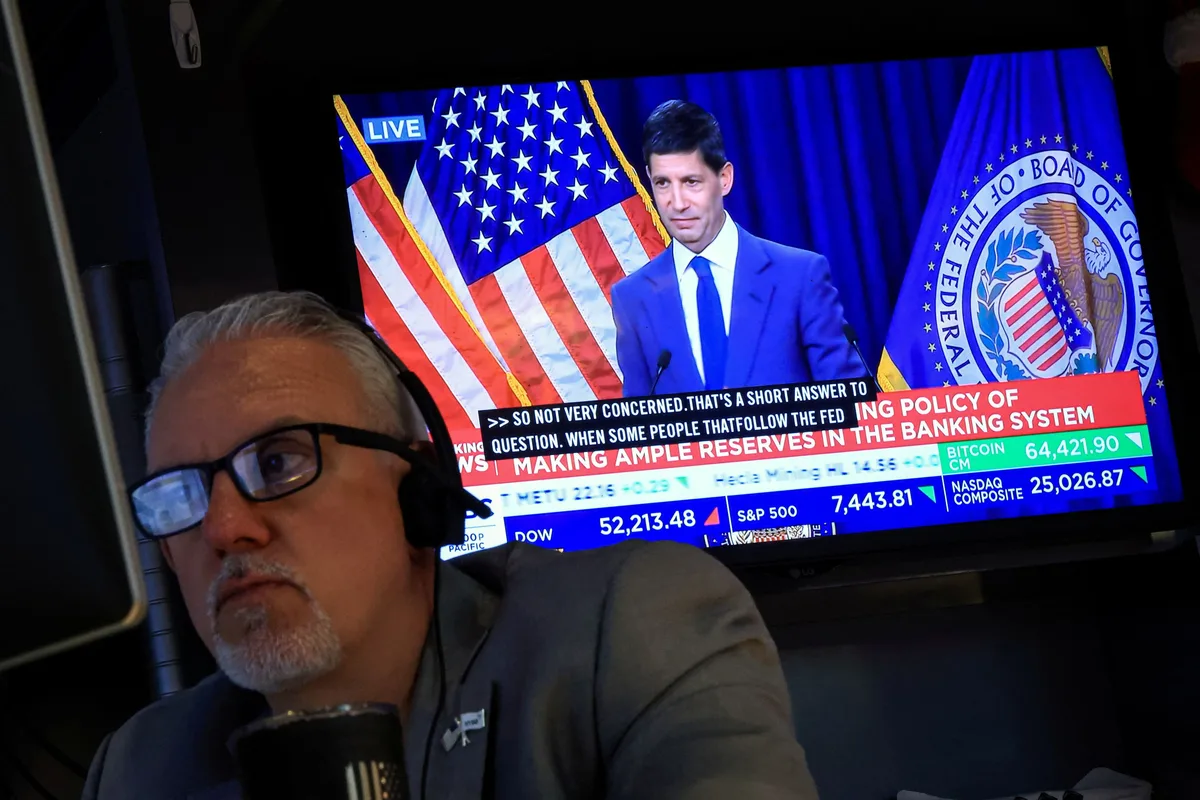
On Wall Street, the chatter is focused on Kevin Warsh, the name circulating as a possible future Federal Reserve chair. Traders are positioning around what a leadership change at the Fed could mean for monetary policy. A more hawkish Fed chair could keep rates elevated longer, which only compounds the pain already baking into long-term Treasurys right now.
The political dimension here is real and growing. When the bond market starts dictating fiscal terms — essentially punishing deficit spending with higher yields — it becomes a constraint on what politicians can promise and deliver. Debt, AI investment ambitions, and energy costs are colliding in a way that turns boring bond math into a front-page political fight. Washington can't ignore yields this loud.
Bottom line: the bond market is in charge right now, and Main Street is caught in the crossfire. Watch the 10-year Treasury yield like a hawk. Where it goes next tells you everything about where mortgage rates, business loans, and consumer credit are headed. Continue reading at US Top News and Analysis.