SEC Pumps the Brakes on Stock Tokenization: Why That's Good
The SEC delayed tokenized stocks, and traders should actually be relieved. Here's the analytical take on why slower is smarter.
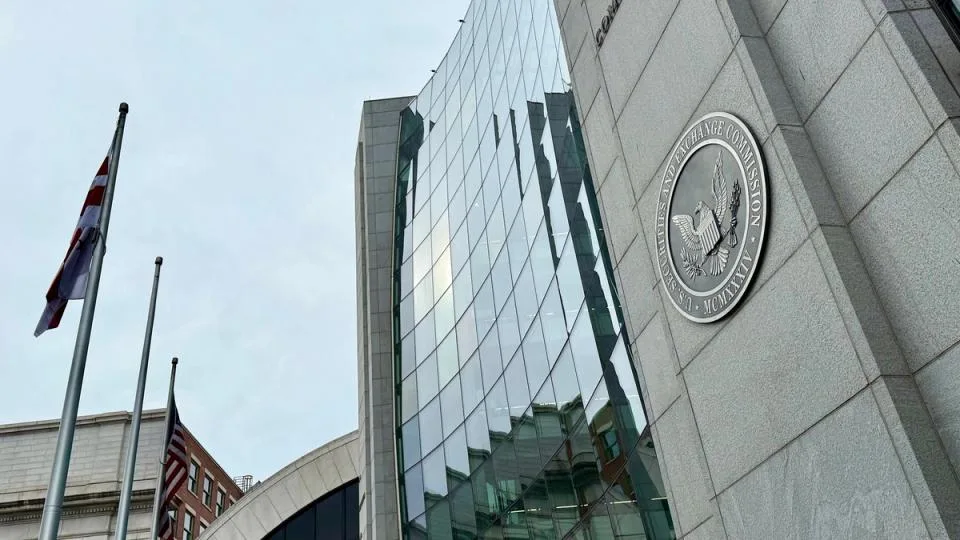
The SEC just hit pause on tokenizing stocks, and if your first instinct was frustration, flip that reaction. Rushing a structural overhaul of equity markets into blockchain rails without airtight regulatory guardrails is a recipe for chaos — the kind that burns retail traders first and hardest.
Tokenized equities sound revolutionary on paper: fractional ownership, 24/7 trading, near-instant settlement. But the plumbing underneath traditional markets — custody rules, broker-dealer obligations, investor protections — took decades to build. Porting stocks onto a blockchain doesn't automatically port those safeguards along with them. The SEC's delay is essentially a signal that it wants those questions answered before the floodgates open.
Read more Binance Challenges MiCA's Value: Judge It by Who Gets Licensed →
For active traders, the delay also buys time to watch how early tokenization experiments play out in less regulated jurisdictions. Those offshore pilots are already surfacing liquidity problems and custody ambiguities that would be catastrophic at US-market scale. Consider this a free look at someone else's stress test.
The crypto-native crowd will push back and call this regulatory foot-dragging. But there's a real difference between innovation and improvisation. A tokenized stock with murky legal standing isn't a feature — it's a liability. The SEC slowing down now likely means fewer emergency rule rewrites, trading halts, or investor losses down the road.
Patience here isn't bearish on the concept. It's bullish on doing it right. Continue reading at CoinDesk.