Social Security Is Getting Squeezed — Here's the Hard Truth
Demographics and recent tax law changes are tightening the screws on Social Security. Here's what you need to know.
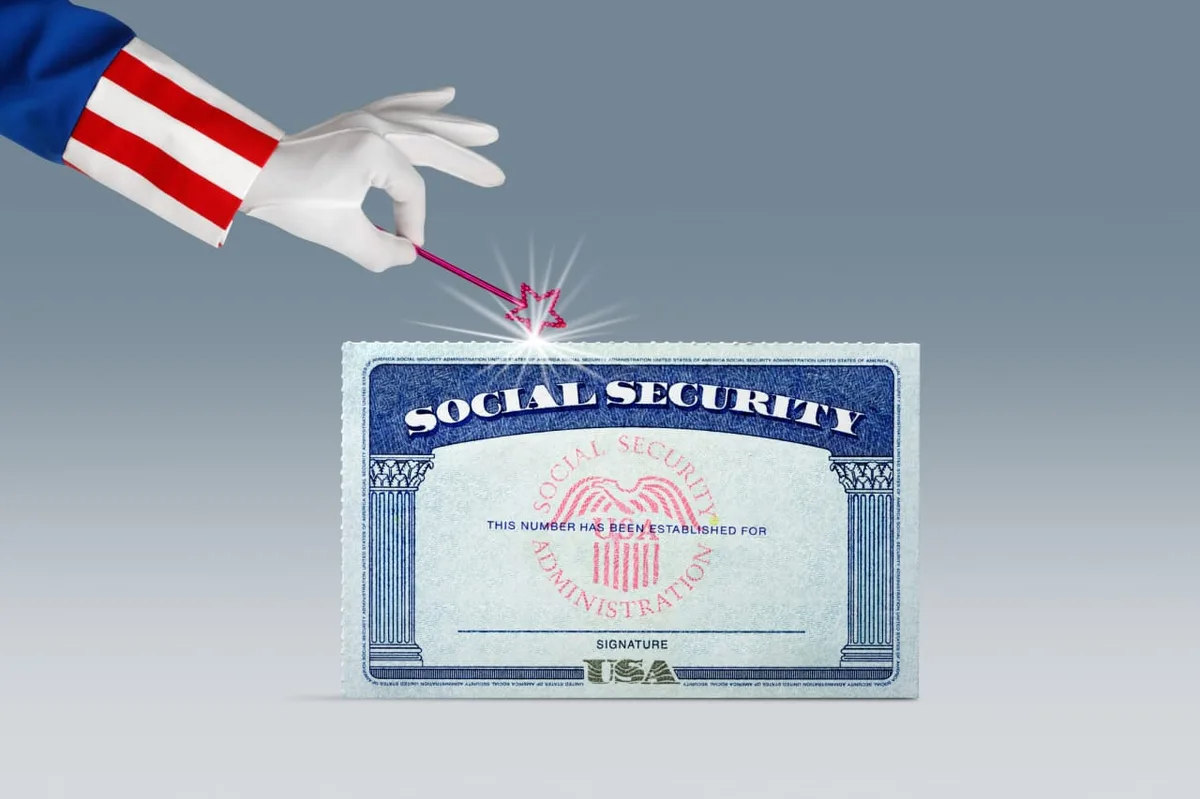
Social Security is under pressure from two directions at once, and pretending otherwise won't help you plan your retirement. The program is caught between a demographic crunch — too many retirees, not enough workers paying in — and the ripple effects of recent tax legislation that are reshaping the math behind every projected benefit check.
The demographic side of this story isn't new, but it's getting harder to ignore. Baby Boomers are retiring in waves, and the worker-to-retiree ratio keeps shrinking. That means the payroll taxes flowing into the system simply can't keep pace with the benefits flowing out. The trust fund runway is burning down, and any honest projection has to account for that.
Read more Why Maxing Your 401(k) Right Now May Be a Mistake →
Then layer in the tax law angle. Recent changes to how income is taxed — and how certain revenue streams feed into the Social Security system — add another variable that policymakers and retirement savers alike are still trying to fully price in. The picture isn't catastrophic, but it's not comfortable either.
Here's the tradeable takeaway: if you're within 10 to 15 years of retirement, you cannot afford to build your income plan around a full Social Security benefit. The responsible move is to treat any projected payout as a floor, not a ceiling, and stack other income sources on top. Delay claiming if your health allows it — that's still one of the few levers you actually control.
The wishful thinking part? Assuming Congress will fix this cleanly and on time. History says otherwise. Plan around the reality, not the hope. Continue reading at MarketWatch.com