Space-Based Data Centers: Four Hurdles Blocking the Dream
Putting data centers in orbit sounds wild, but real engineering obstacles stand between concept and reality. Here's what's in the way.
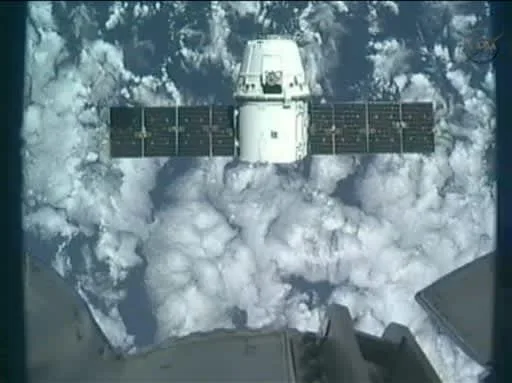
The idea of hosting data centers in space has moved from science fiction to serious boardroom conversation, and Elon Musk is among those pushing an ambitious timeline to make it happen. But between the pitch deck and low Earth orbit sit four formidable obstacles that engineers and investors can't hand-wave away.
Power is the first wall. Satellites in orbit rely on solar panels, and generating the kind of sustained energy density that modern GPU clusters demand is an entirely different beast from powering a communications relay. Heat is the second problem — on Earth you can cool a server farm with water or air; in the vacuum of space, thermal management becomes a physics puzzle with few elegant solutions.
Read more Beverage Brand Files Chapter 11 After Losing Costco Deal →
Latency and connectivity form the third barrier. A data center only earns its keep if clients can reach it fast. Beaming data up and down through atmospheric interference, even with next-generation laser links, introduces delays and reliability risks that hyperscalers on the ground don't face. The fourth obstacle is cost and maintenance — launches remain expensive, and sending a technician to swap a failed drive is not yet a routine option, no matter how quickly rocket reuse matures.
Musk's timeline injects urgency into the debate, but timelines from the private space sector have historically stretched. That doesn't mean traders should sleep on the theme. Companies building the enabling infrastructure — launch providers, satellite bus manufacturers, space-grade power and thermal tech — stand to benefit whether the orbital data center becomes reality in five years or fifteen. Position in the picks-and-shovels plays, not just the moonshot.
Continue reading at US Top News and Analysis