Target's Real Problems Go Deeper Than You Think
Target's struggles aren't just about boycotts or macro headwinds. The retailer faces structural challenges that won't fix themselves.
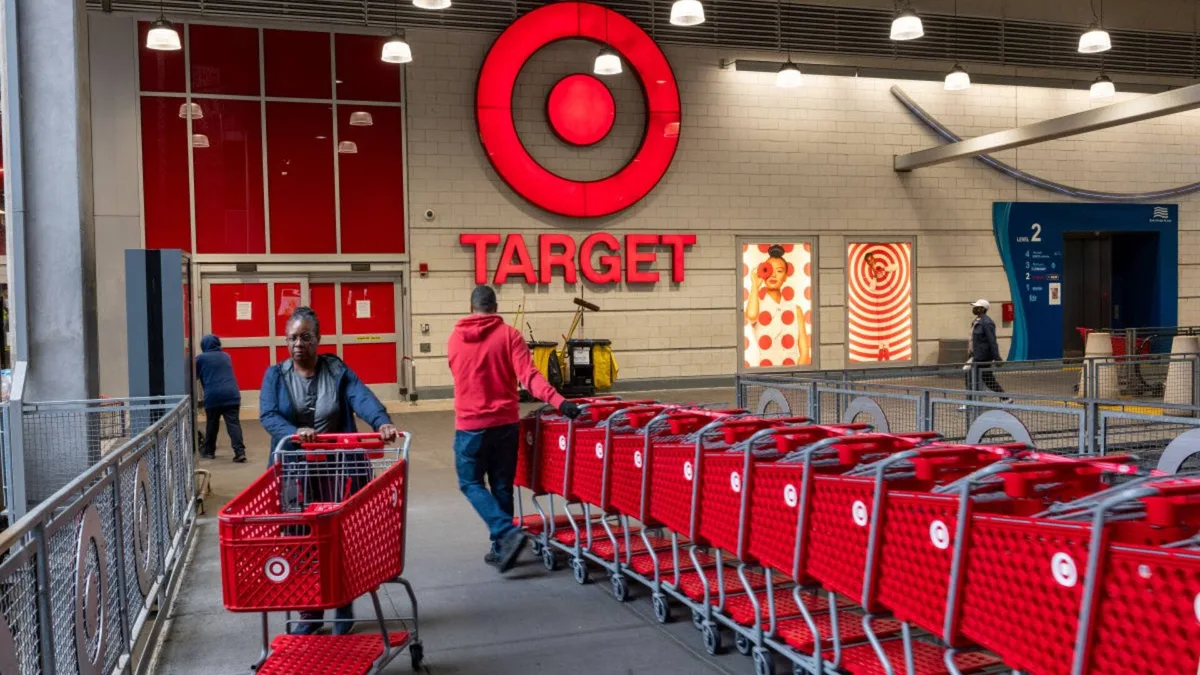
Everyone wants to blame Target's rough patch on one thing — the boycotts, inflation-squeezed shoppers, or a tough retail environment. But that narrative lets the company off the hook too easily. The real issues run deeper, and if you're trading TGT, you need to understand what's actually broken.
Target built its brand on a specific promise: cheap chic. Trendy stuff at accessible prices. That formula worked for years, pulling in shoppers who wanted to feel like they scored a deal on something stylish. But that positioning has eroded. Competitors on both ends — discount giants below and premium players above — have chipped away at the middle ground Target used to own.
Read more Wells Fargo Q2 Earnings: Why the Selloff Was a Mistake →
The merchandising missteps haven't helped either. When a retailer loses the trust of its core customer, it doesn't just lose one transaction — it loses a habit. Retail is a habit business. Shoppers who used to make Target a weekly ritual have found other options, and getting them back requires more than a sale event or a logo refresh.
Then there's the inventory and cost structure problem. Target over-ordered coming out of the pandemic, took massive write-downs, and never fully recaptured its operational momentum. Margins that should have recovered more aggressively are still under pressure, and that tells you execution inside the business isn't where it needs to be.
If you're looking at TGT as a turnaround play, be honest with yourself about the timeline. This isn't a one-quarter fix. The brand needs rebuilding, the customer needs re-winning, and the cost structure needs tightening — all at the same time. That's a heavy lift in any retail environment, let alone this one. Continue reading at Yahoo Finance.