The 10 States Best Positioned to Win AI Data Center Deals
A handful of U.S. states hold a structural edge in landing AI data center investment even as public backlash grows.
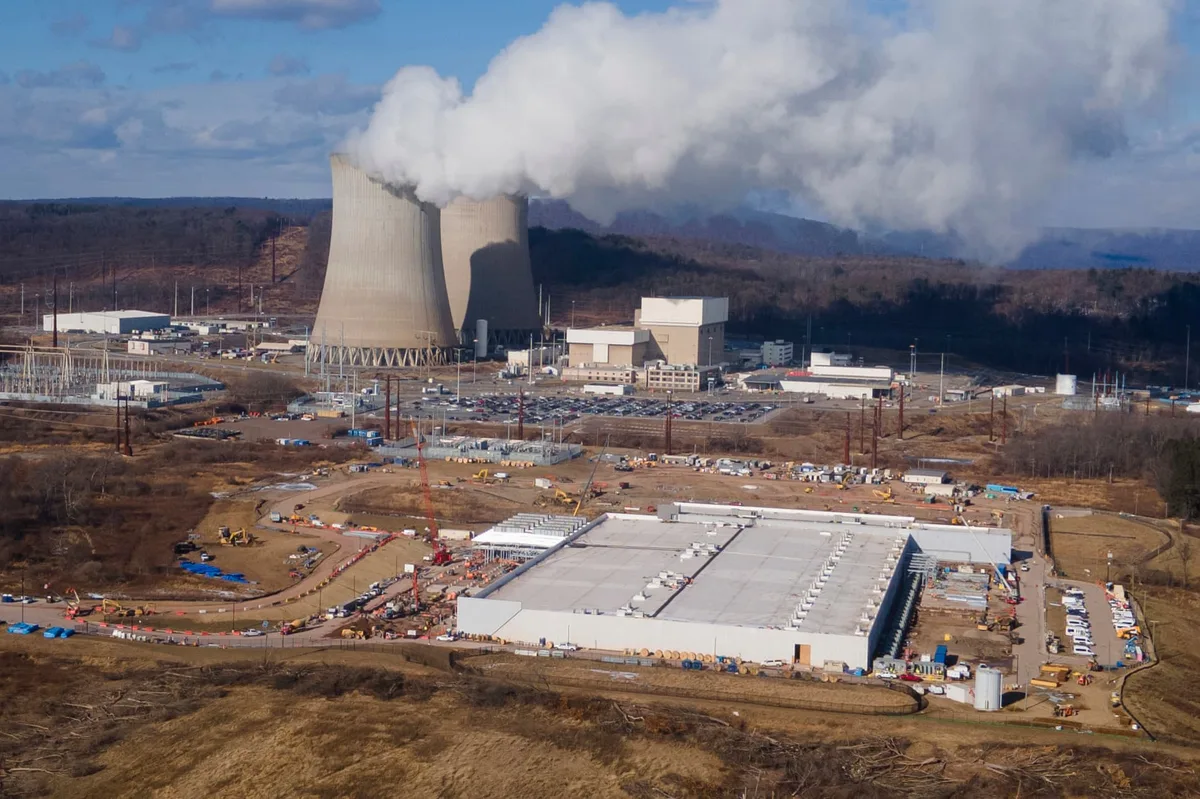
If you're watching where the real AI money flows, stop staring at Silicon Valley and start watching state infrastructure maps. A new analysis identifies ten U.S. states that are structurally best positioned to capture the next wave of AI data center deals — and the race is tighter and more geographically surprising than most investors expect.
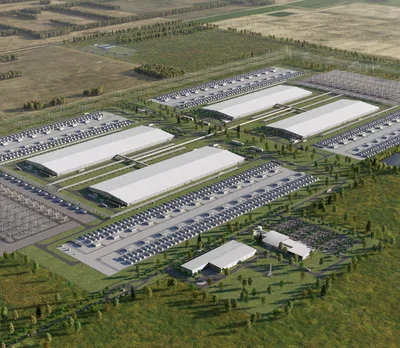
Data centers are the physical backbone of the AI boom. They demand cheap power, reliable grids, available land, favorable tax policy, and a permitting environment that won't kill a project before it breaks ground. Not every state can check all those boxes, and that gap is becoming a real competitive moat for the ones that can.
Read more CNBC 2026 Top States for Business Rankings: Full List →
The timing matters because public opposition is rising fast. Communities across the country are pushing back on data center sprawl — citing noise, water consumption, strain on local power grids, and property impacts. States that already have the zoning frameworks, utility agreements, and political cover to move projects forward are going to eat everyone else's lunch.
For traders and investors, this is a localized infrastructure play hiding inside a mega-trend. The states that crack the top ten aren't just winning bragging rights — they're positioning themselves as landlords to the most capital-intensive buildout in modern tech history. Watch for regional utilities, local construction firms, and land REITs tied to those winning states to get a quiet but durable lift.
Continue reading at US Top News and Analysis