Top 10 States Winning the AI Data Center Race in 2025
Ten U.S. states hold the strongest infrastructure edge for landing AI data center deals, even as public pushback intensifies.
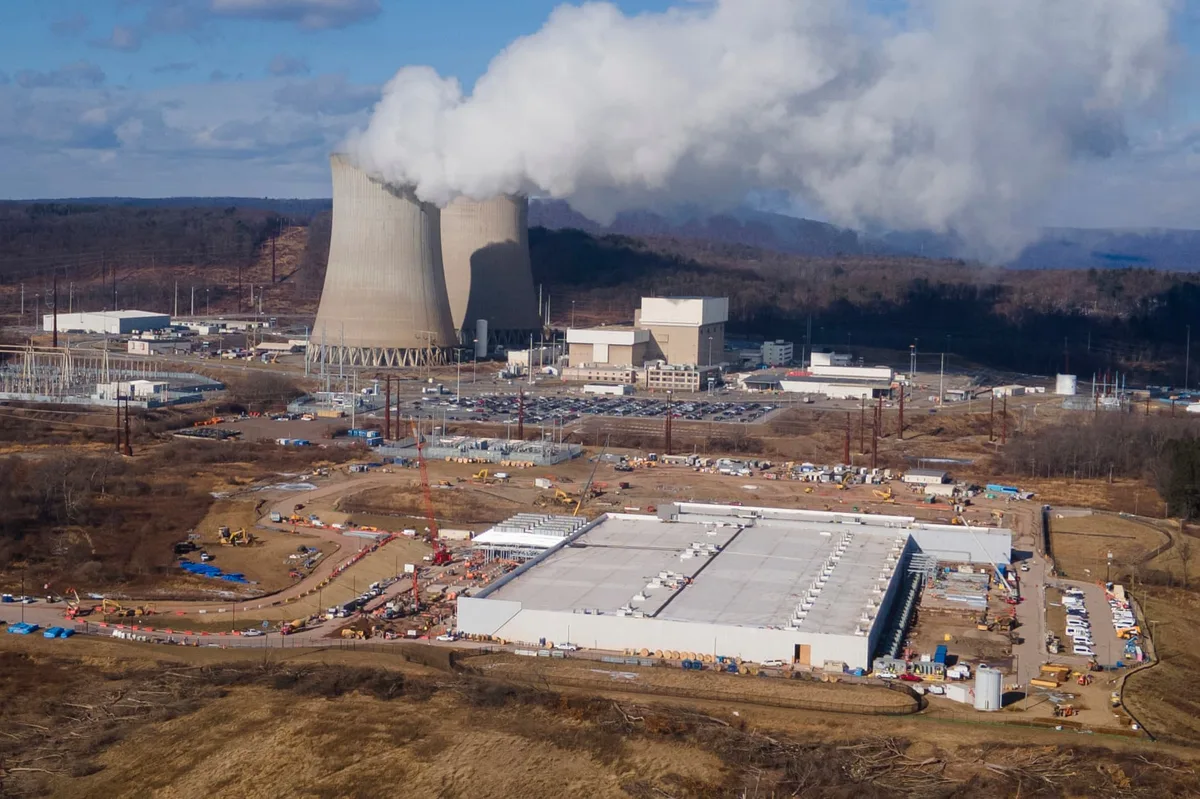
The AI buildout is the biggest infrastructure gold rush in a generation, and not every state gets a seat at the table. A new analysis identifies ten U.S. states best positioned to capture the wave of AI data center investment — and the list comes down to raw competitive advantages: cheap power, available land, favorable tax policy, and existing fiber networks. If you're watching where hyperscalers and cloud giants drop their next billions, these are the zip codes to watch.
Public opposition is real and growing. Communities near proposed data center sites are pushing back on noise, water consumption, and strain on local power grids. But the states leading this ranking have structural advantages that tend to override local friction — strong utility relationships, state-level incentive packages, and political environments that prioritize economic development over neighborhood concerns. Opposition slows deals; it rarely kills them in business-friendly states.
Read more Palo Alto CEO: AI Pricing Must Drop 90% for Mass Adoption →
For traders and investors, this isn't academic. Data center construction drives demand for copper, fiber, HVAC equipment, and specialized REITs. States that consistently land these contracts become magnets for secondary investment — logistics, cooling technology, and power generation assets cluster around wherever the servers go. Knowing which state governments are actively courting hyperscalers gives you a leading indicator before the press releases hit.
The broader takeaway is that AI infrastructure spending isn't slowing down regardless of the political noise. The companies building these facilities are operating on multi-year capex cycles with commitments already locked in. The states that built the right foundation years ago — in terms of grid capacity and regulatory speed — are now cashing in. Everyone else is playing catch-up, and that gap is widening fast.
Continue reading at US Top News and Analysis