Trump Blocks CBDC Ban Bill, Ties It to Election Law Push
Trump won't sign legislation banning a US digital dollar unless Congress pairs it with his election priorities. Here's what that means for crypto.
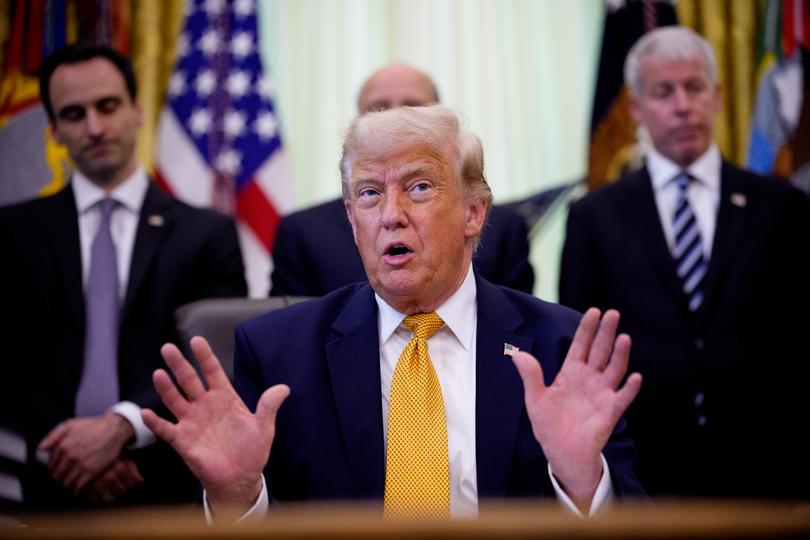
President Trump is refusing to put pen to paper on a bill that would prohibit the Federal Reserve from issuing a central bank digital currency — and his reason has nothing to do with the CBDC itself. According to CoinDesk, Trump is conditioning his signature on Congress also passing an elections-related bill he wants. That's a political play that puts crypto policy squarely in the middle of a much bigger legislative standoff.
For traders and crypto advocates who were counting on a CBDC ban to sail through with bipartisan momentum, this is a cold splash of water. The bill had real teeth — it would have blocked the Fed from directly offering a digital dollar to consumers, a move that privacy hawks and decentralization advocates have pushed hard for. Now it's stuck as a bargaining chip.
Read more Binance Challenges MiCA's Value: Judge It by Who Gets Licensed →
The stakes here are real. A US CBDC ban matters to the broader crypto market because it signals government intent. If Washington kills a retail digital dollar before it ever launches, that clears runway for private stablecoins and decentralized assets to fill that void. Without the ban, the door stays open — at least politically — for a government-issued competitor to dollar-pegged crypto.
This isn't just inside baseball. Every week the bill sits unsigned is another week of regulatory uncertainty for projects building on dollar-denominated rails. Trump's leverage play may be smart politics, but it's messy for an industry that desperately wants clarity. Watch how Congress responds — if the elections bill moves, the CBDC ban could follow fast. If it stalls, so does this.
Continue reading at CoinDesk.