Trump Won't Sign Housing Bill, Letting It Become Law Automatically
Trump signals he'll skip signing the bipartisan housing bill passed in June, meaning it becomes law without his pen.
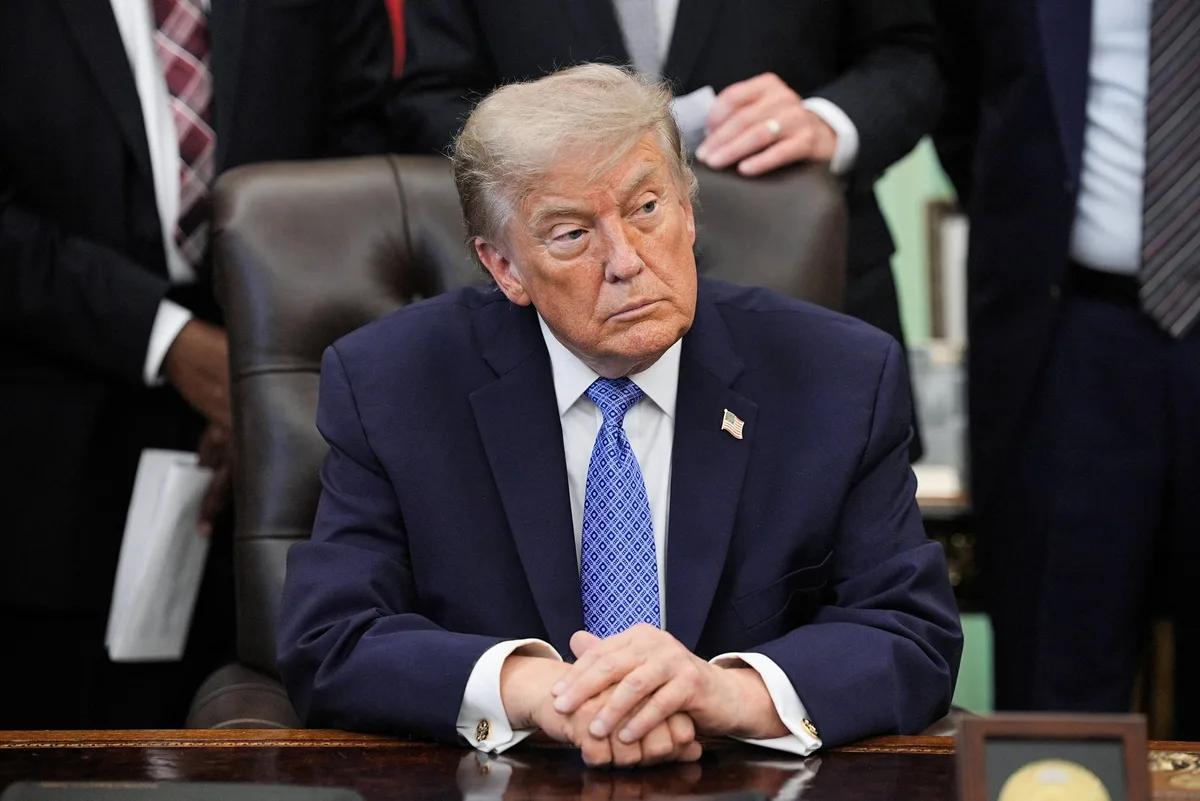
Trump says he won't sign the housing bill that Congress passed back in June — but here's the twist: it still becomes law automatically. No signature needed. That's how the process works when a president declines to act within the constitutional window while Congress remains in session.
Lawmakers on both sides of the aisle pushed this bill through with strong bipartisan backing, which is rare in today's political climate. The driving force? Surging home prices and growing anger over institutional investors — think big-money funds — swooping in and gobbling up single-family homes that everyday buyers are trying to afford.
Read more Trump Fires Election Assistance Commission Members Ahead of Midterms →
For retail investors and regular homebuyers, this legislation matters. If the bill curbs institutional buying activity or introduces new rules around large-scale residential purchases, it could shift supply dynamics in local markets. Less competition from deep-pocketed funds means more inventory for you.
Trump's decision not to sign — rather than veto — is a calculated move. He avoids putting his name on legislation he apparently doesn't love, while also avoiding the political blowback of killing a housing bill that voters broadly support. It's a quiet pass, not a hard no.
Watch how this plays out in housing market data over the coming quarters. If the law has teeth, you may start seeing shifts in investor activity in hot markets. Continue reading at US Top News and Analysis.