U.S.-Iran Deal Sparks Fresh Strait of Hormuz Tensions
Conflicting interpretations of a U.S.-Iran MOU have reignited a dangerous standoff over one of the world's most critical oil chokepoints.
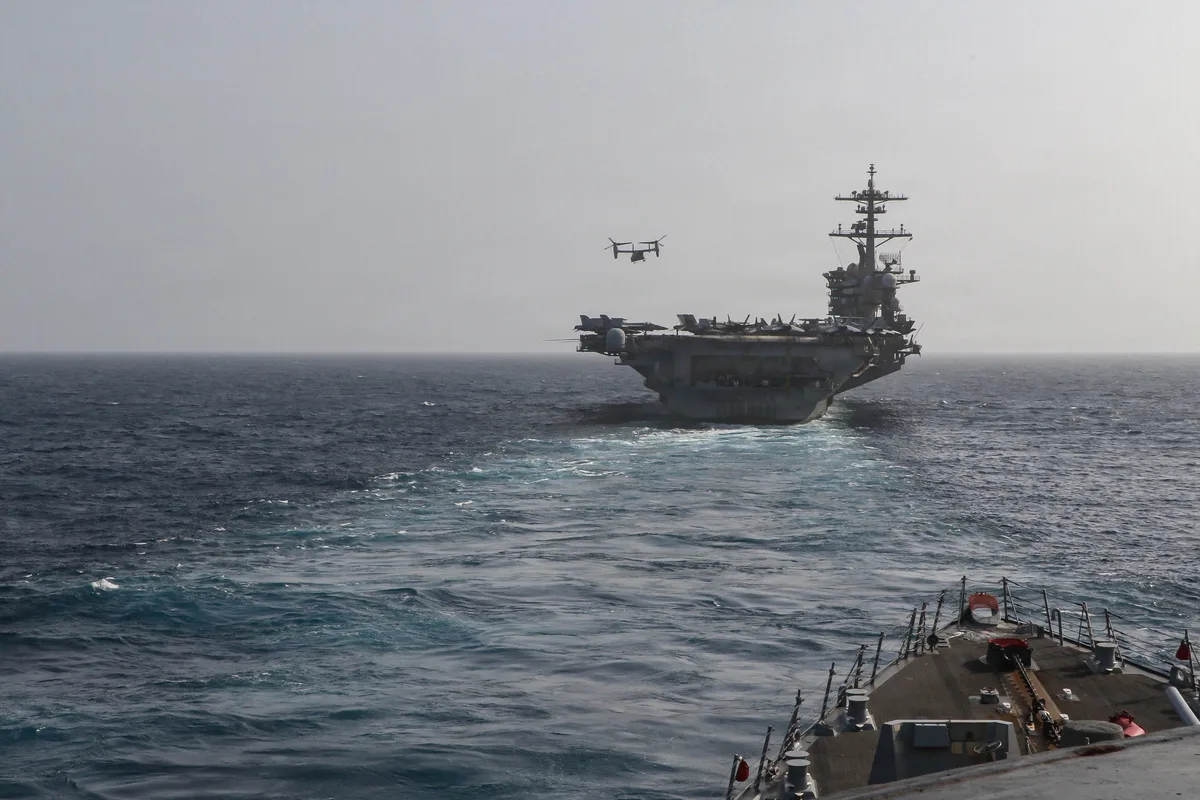
The Strait of Hormuz is back in the crosshairs, and this time the fuse was lit by paperwork. A memorandum of understanding between Washington and Tehran — meant to ease tensions — has instead created a new battleground, because the two sides can't agree on what they actually signed.
That's the core problem here. When the U.S. and Iran read the same deal and walk away with opposite conclusions, you don't get de-escalation. You get a powder keg. The renewed fighting over the strait is a direct result of that interpretive gap, and markets should be paying close attention.
Read more AI Race Pivots From Raw Power to Cost and Precision →
The Strait of Hormuz is no footnote — roughly 20% of global oil passes through that narrow corridor every day. Any military flare-up, vessel seizure, or blockade threat in that waterway sends energy prices spiking and rattles shipping insurance rates almost instantly. Traders who slept on Hormuz headlines before may want to rethink that habit.
What makes this situation especially volatile is that both sides appear to believe they're acting within the framework of the MOU. That kind of parallel reality is harder to defuse than a straightforward breakdown in talks — there's no clean reset button when each party thinks the other is the one cheating. Diplomatic channels will be under serious strain.
Watch crude, watch tanker stocks, and watch any statement out of Tehran or the Pentagon. This story has real price-moving potential in the energy complex. Continue reading at US Top News and Analysis.