U.S.-Iran Deal: What Traders Need to Know Right Now
A preliminary U.S.-Iran agreement lifted stocks, but key risks around the Strait of Hormuz, Israel, and a Geneva signing linger.
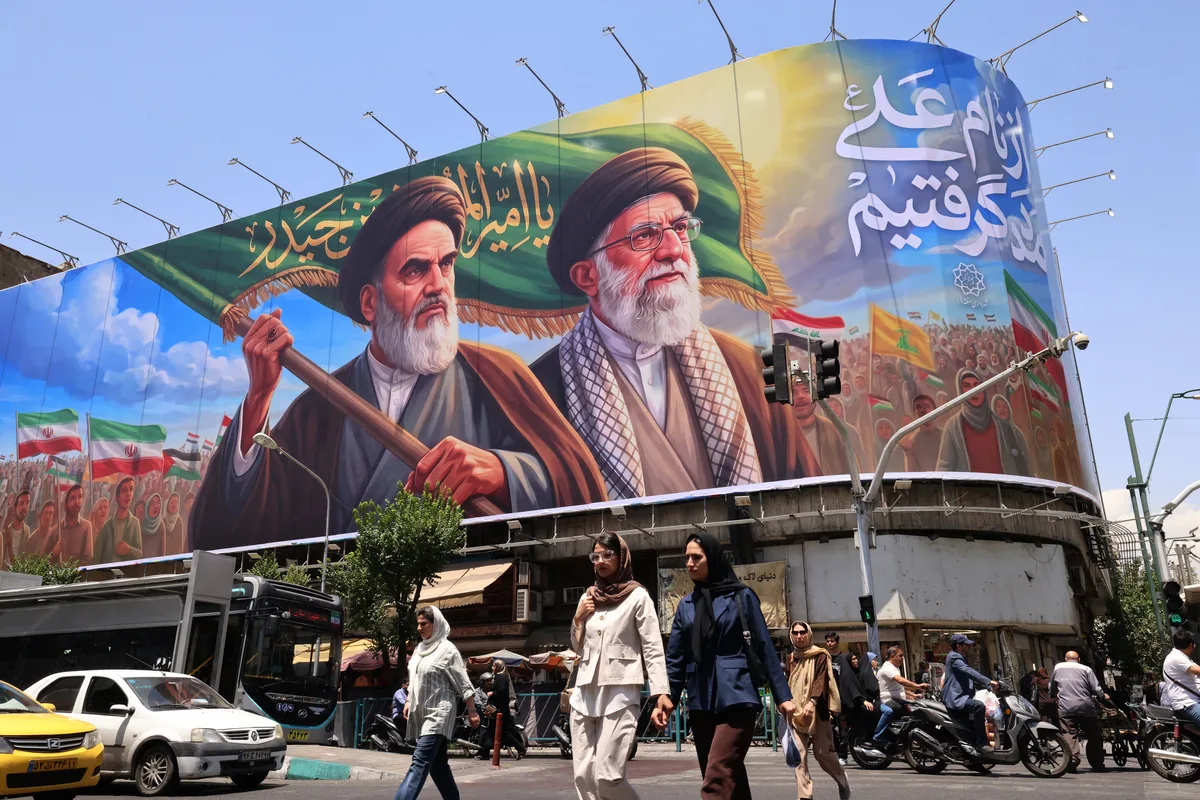
Markets caught a bid the moment headlines dropped on a preliminary U.S.-Iran deal. Stocks climbed, risk sentiment flipped positive, and traders who were short energy names felt the squeeze. That's the easy part to understand.
Here's where it gets complicated. The Strait of Hormuz is still a live wire. Roughly 20% of the world's oil flows through that chokepoint, and nothing in this preliminary framework guarantees it stays open and calm. Until that's locked down in writing, energy volatility isn't going anywhere.
Read more Pudgy Penguins Kills Pudgy Party Mobile Game, Pivots to Pudgy World →
Israel is the other wildcard nobody's pricing in correctly. Tel Aviv has made clear it views any Iran deal through the lens of existential security. If Israel decides this agreement doesn't meet its threshold, you could see unilateral action that blows up the entire framework before the ink dries in Geneva.
Speaking of Geneva — a potential signing there is still just that, potential. Preliminary deals have a long history of falling apart between the handshake and the formal ceremony. Sanctions relief, nuclear verification timelines, and regional proxy behavior all have to be hammered out. That's a lot of room for things to go sideways.
Bottom line: the rally makes sense as a first reaction, but don't mistake a headline pop for a resolved geopolitical situation. Watch Hormuz shipping data, monitor Israeli government statements, and keep your oil exposure sized for a world where this deal could still collapse. Continue reading at US Top News and Analysis.