US Budget Deficit Hits Highest Level Since March 2021 in July
The July deficit surged to its worst reading in over four years, pushing the 10-month fiscal total past $1.8 trillion.
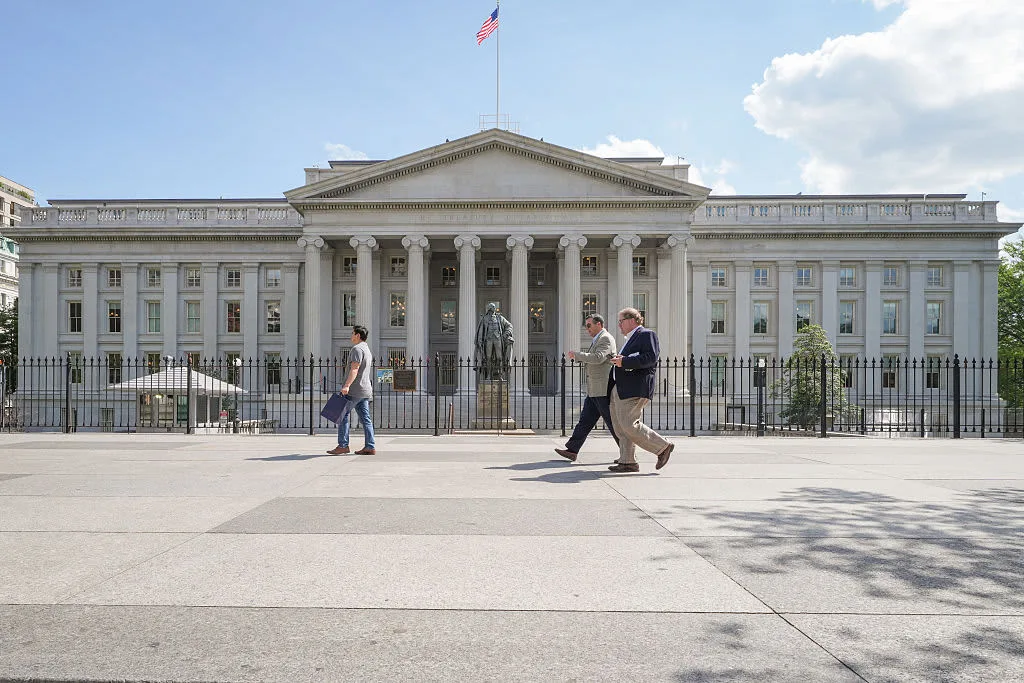
The US government's budget deficit exploded in July, hitting its worst single-month level since March 2021. That's not a blip — that's a trend screaming for your attention if you trade bonds, dollar pairs, or rate-sensitive equities.
Zoom out and the picture gets uglier. Through the first 10 months of the current fiscal year, cumulative red ink has already blown past $1.8 trillion, topping the comparable period in the prior fiscal year. Washington is spending faster than it's collecting, and the gap is widening — not narrowing.
Read more Credit Card Debt Hits $1.26 Trillion as K-Shaped Economy Widens →
For traders, this matters in a direct way. Bigger deficits mean more Treasury supply hitting the market. More supply pressures bond prices lower and pushes yields higher. Higher yields tighten financial conditions whether the Fed moves or not. You don't need a rate hike to feel the squeeze.
The political backdrop adds another layer. With deficit spending already running hot, any new fiscal legislation — tax cuts, supplemental spending bills, you name it — piles onto a base that's already stressed. Bond vigilantes have been quiet for a while. Data like this is exactly what wakes them up.
Watch the 10-year yield closely. If deficits keep compounding at this pace through fiscal year-end, the Treasury market could be doing the Fed's tightening work for it — whether policymakers want that or not. Continue reading at US Top News and Analysis.