US Resumes Mexican Cattle Imports in August: What It Means for Beef Prices
The USDA is lifting its Mexican cattle import ban in late August. Here's the direct impact on your grocery bill.
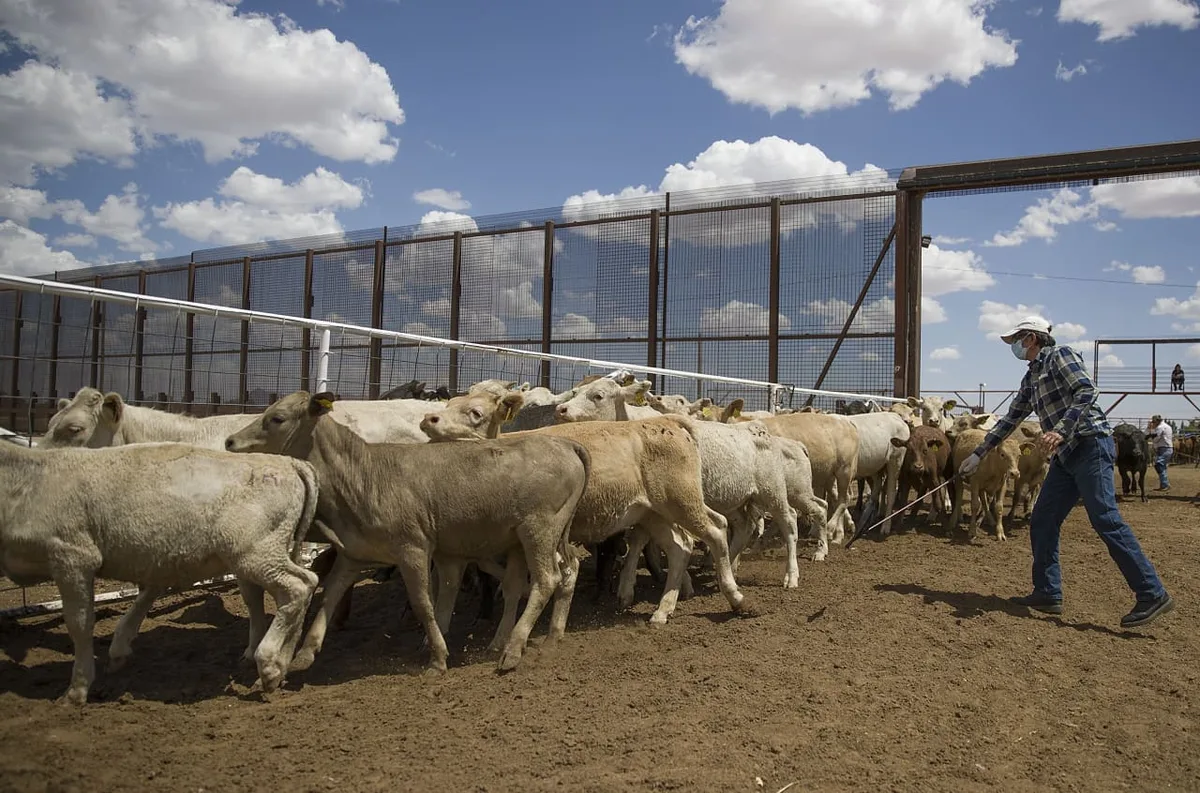
The USDA just greenlit the resumption of Mexican cattle imports starting late August — and if you've been wincing at beef prices lately, this is the news you've been waiting for. Supply has been tight, and anything that adds inventory to the pipeline has the potential to move prices at the meat counter. Pay attention.
The catch? The New World screwworm is still a legitimate threat. This parasitic fly can devastate livestock herds, and it's the exact reason the ban went up in the first place. The USDA is moving forward anyway, which tells you the economic pressure to bring beef supply back online outweighed the biosecurity concerns — at least for now.
Read more Amazon, Meta, Microsoft Face Skeptical Investors After Google Scare →
For retail traders and consumers alike, the tradeable angle here is straightforward: more cattle crossing the border means more supply hitting US meatpacking capacity. That's a bearish signal for live cattle futures if the flow normalizes quickly. Watch the August and October cattle contracts for any reaction as the import timeline firms up.
Don't expect an overnight fix at the supermarket, though. Supply chains in beef are slow-moving. Cattle imported in late August still need processing time before that supply shows up as cheaper ribeyes. Think weeks to months, not days. But the directional pressure on prices shifts the moment imports restart.
Bottom line: the ban coming off is net positive for beef supply and a potential headwind for elevated cattle prices. Keep an eye on USDA weekly cattle reports and meatpacker margins as the situation develops. Continue reading at MarketWatch.com.