USMCA Uncertainty Puts US Auto Industry on Edge
Without a USMCA extension, automakers face serious risk tied to rules of origin and preferential trade status.
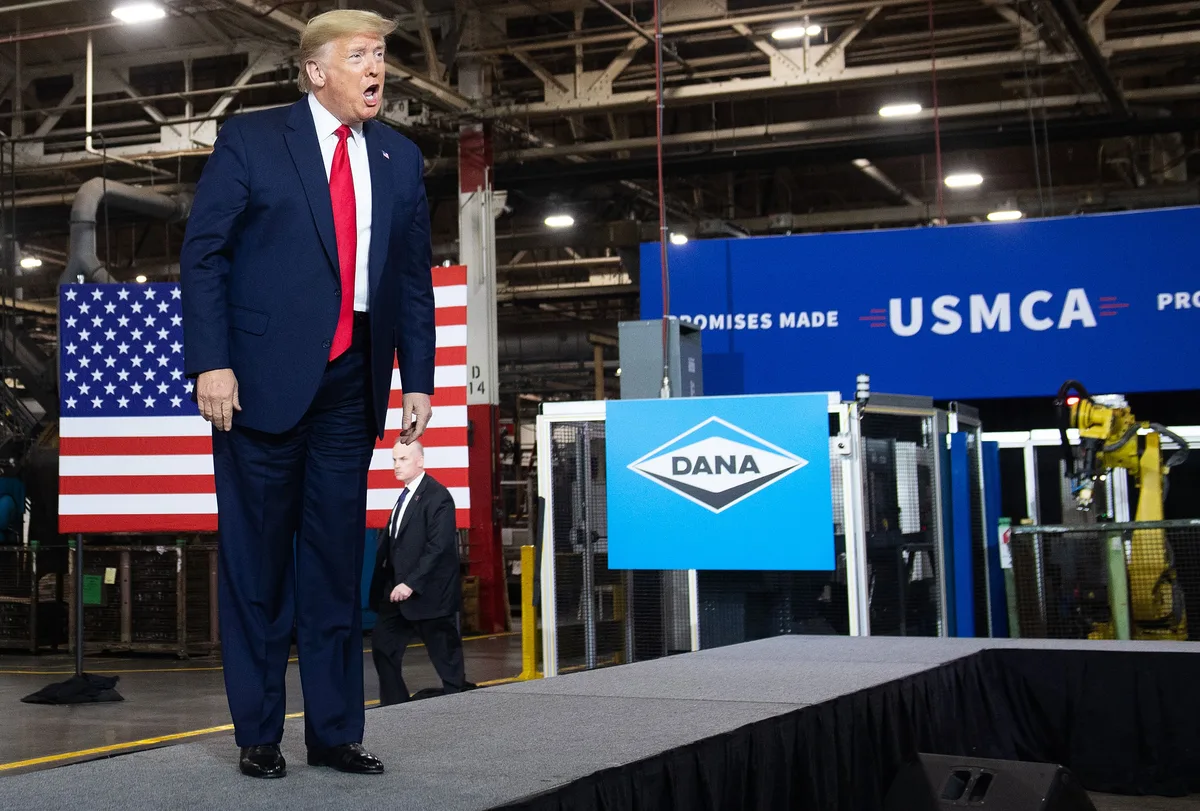
The US auto industry is staring down a serious threat, and it's one that doesn't get enough attention on trading floors. The USMCA — the trade agreement governing commerce between the US, Mexico, and Canada — is at the center of the storm, and without an extension, carmakers are flying blind on costs, supply chains, and pricing.
At the heart of the problem are rules of origin. These rules decide where a product is officially "from" and whether it qualifies for preferential tariff treatment under the agreement. For automakers, that's not a technicality — it's the difference between competitive margins and getting crushed by duties on parts and finished vehicles crossing North American borders.
Read more Boeing, Lockheed, Oracle Back Trump's Freedom 250 Celebration →
The stakes here are enormous. The auto sector is one of the most deeply integrated cross-border industries in North America. A single vehicle can have components that cross the US-Mexico-Canada border multiple times before the final product rolls off the line. Any disruption to the rules governing that flow hits manufacturers, suppliers, and ultimately consumers at the sticker price.
For traders and investors, this is a risk that needs to be priced in right now. Automaker stocks and auto-parts suppliers are exposed if USMCA talks stall or collapse. Watch for volatility in names with heavy North American manufacturing footprints — this isn't a slow-moving story, it's a live wire.
Continue reading at US Top News and Analysis.