Warsh Vows Fed 'Regime Change' to Kill Inflation Tax on Americans
Fed chair hopeful Kevin Warsh pledged Tuesday to overhaul monetary policy and end the inflation burden crushing American consumers.
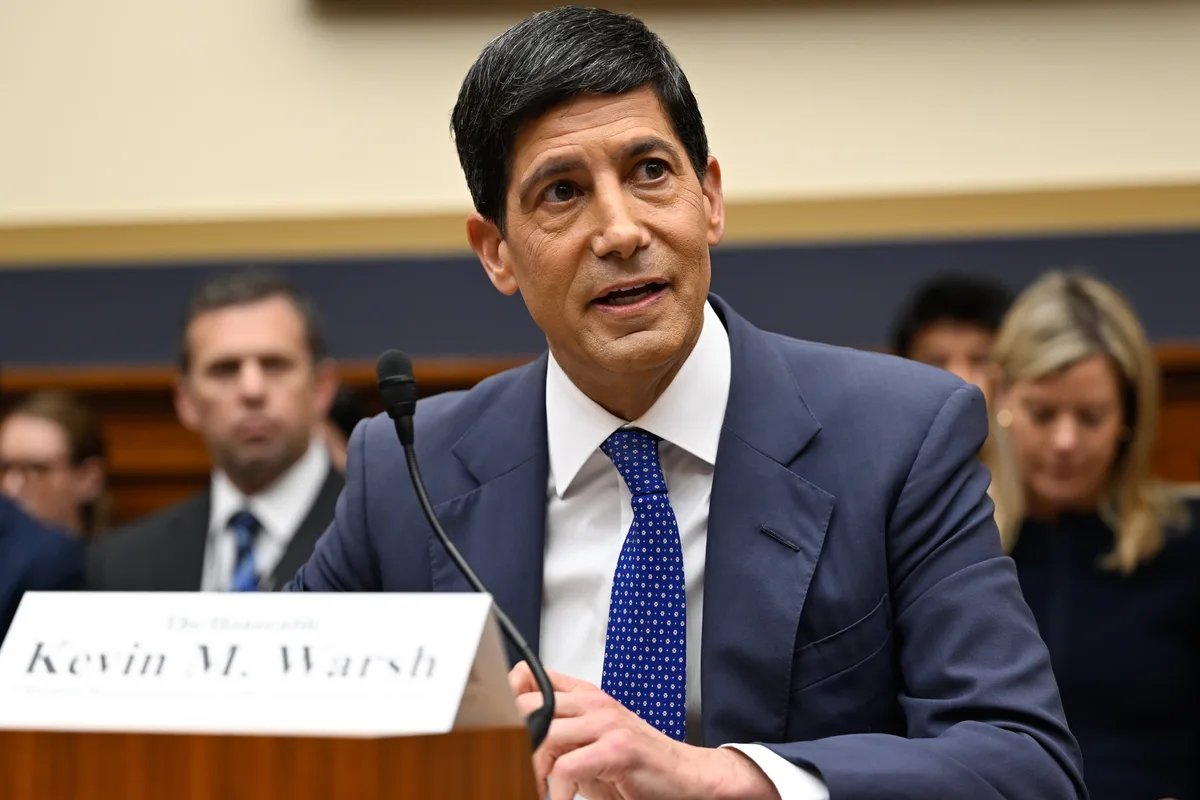
Kevin Warsh isn't mincing words. The top contender to lead the Federal Reserve dropped the phrase 'regime change' Tuesday — and he meant every syllable of it. His promise: get monetary policy right and finally crush the inflation that's been chewing through American wallets for five years straight.
Warsh is framing inflation as a 'tax' — and that framing matters. It's not academic. It's a direct shot at the Fed's credibility under current leadership, and a signal to markets that a Warsh-led central bank would operate with a completely different philosophy. Tighter. More accountable. Less tolerant of price drift.
Read more New York Bans Hyperscale AI Data Centers for One Year →
For traders, this is a setup worth watching. A regime change at the Fed — if Warsh lands the chair — could mean a structural shift in rate expectations, dollar dynamics, and risk-asset pricing. The word 'regime' doesn't get used casually. It means the old rules go out the window.
The inflation fight has been the defining failure of the post-pandemic Fed era. Warsh is betting that Americans are angry enough — and the economic damage real enough — that a hard reset at the world's most powerful central bank is not just politically viable, but necessary. He's positioning himself as the man to deliver it.
Whether he gets the chair is still an open question, but the rhetoric alone is moving the conversation. Pay attention to how current Fed officials respond in the days ahead — their silence or pushback will tell you everything about how serious this challenge really is. Continue reading at US Top News and Analysis.