When Gas Prices Could Drop After a US-Iran Deal
A potential US deal to end the Iran conflict could push pump prices lower. Here's the timeline traders are watching.
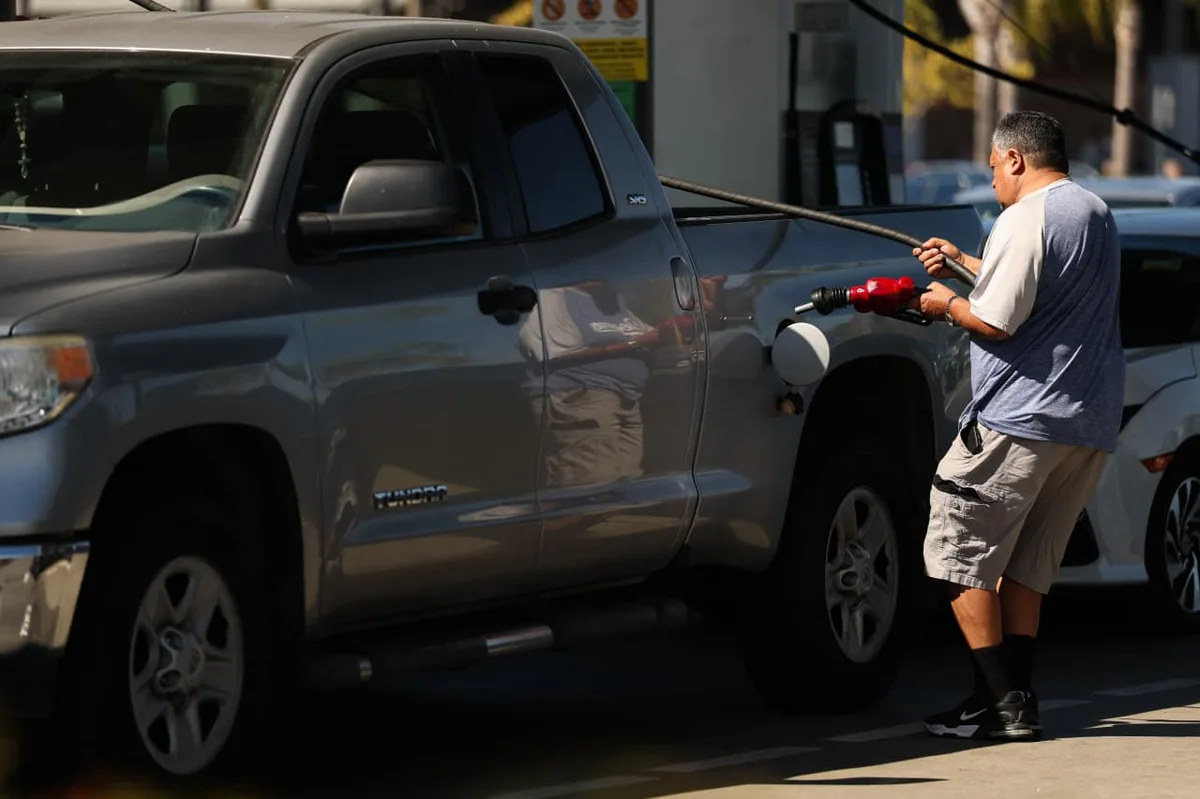
Gas prices are sitting just above $4 a gallon right now, and that number stings every time you pull up to the pump. The psychological weight of $4 is real — it changes consumer behavior, squeezes margins, and keeps inflation stubborn. A US deal to end the Iran conflict could be the catalyst that finally breaks that ceiling downward.
Iran is a major oil producer, and any easing of sanctions or hostilities typically unlocks supply that the market has already priced out. When traders see a credible peace deal, crude futures tend to drop fast — sometimes before the ink is even dry. That move in crude filters through to retail gas prices, but not instantly.
Read more Pudgy Penguins Kills Pudgy Party Mobile Game, Pivots to Pudgy World →
The lag between a crude price drop and what you see at the pump is usually one to three weeks. Refiners and distributors don't reprice overnight, and regional supply chains add more delay. So even if a deal lands tomorrow, don't expect immediate relief at the station down the street.
The bigger wildcard is whether any deal actually holds. Geopolitical agreements in the Middle East have a habit of unraveling, and oil markets know it. A credible, lasting deal could shave meaningful cents per gallon over weeks. A deal that falls apart? Prices could spike right back above $4 in a hurry.
If you trade energy stocks, refiners, or crack spread plays, this is the setup to watch closely. The direction of gas prices from here depends heavily on how serious — and how durable — any US-Iran agreement turns out to be. Continue reading at MarketWatch.com