Why Bonds Are Screaming for Rate Hikes That Won't Fix Gas Prices
The 10-year Treasury yield is knocking on 5%, and that spells trouble for equities even if rate hikes can't tame energy costs.
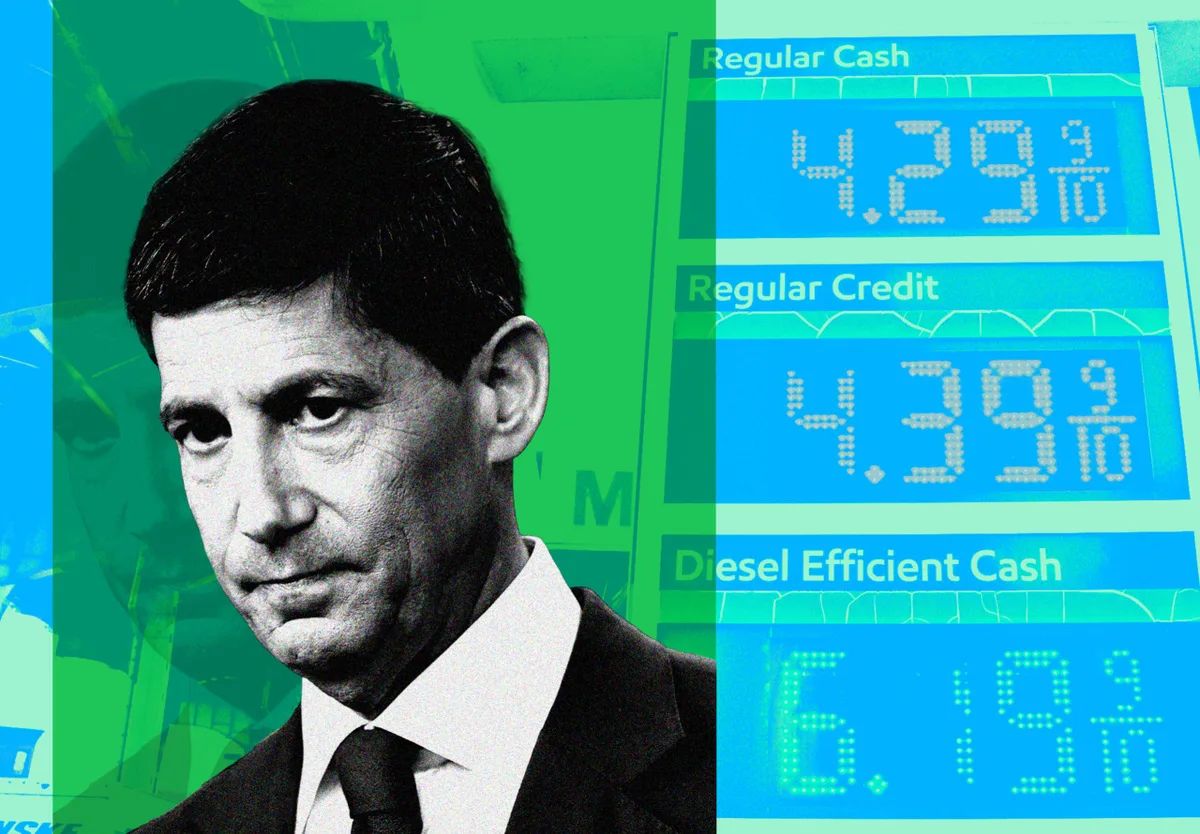
The bond market doesn't care about your commute costs. The 10-year Treasury yield is pushing toward 5%, and that move alone is enough to rattle stocks — regardless of whether Fed rate hikes ever put a dent in what you pay at the pump. These are two separate fights, and Wall Street is waging both at once.
Here's the brutal truth: rate hikes are a demand-destruction tool. They slow borrowing, cool spending, and eventually drag down inflation across most of the economy. But gas prices are a supply story. OPEC decisions, refinery capacity, and geopolitical risk drive energy costs — not how many times Jerome Powell raises rates. The bond market knows this. It's pushing for hikes anyway because broader inflation expectations still need anchoring.
Read more Fed Meeting and Key Conferences Drive Market Focus This Week →
When the 10-year yield flirts with 5%, the math on stocks gets ugly fast. Higher yields mean higher discount rates, which compress the present value of future earnings. Growth stocks get hit hardest. But even value names and dividend plays start looking less attractive when risk-free Treasuries are handing you 5%. Money moves. That's not opinion — that's arithmetic.
For traders, the actionable read here is simple: don't assume rate hikes equal lower energy prices, and don't assume cooling inflation means bonds will rally back. The 5% threshold on the 10-year is a line in the sand. A clean break above it could accelerate the equity selloff. Watch that level like a hawk and reassess your risk exposure accordingly.
Continue reading at MarketWatch.com