Why Falling Oil Prices Won't Lower Your Gas Bill Anytime Soon
Oil markets may cool, but don't expect relief at the pump. Wall Street's grip on energy pricing is the real culprit.
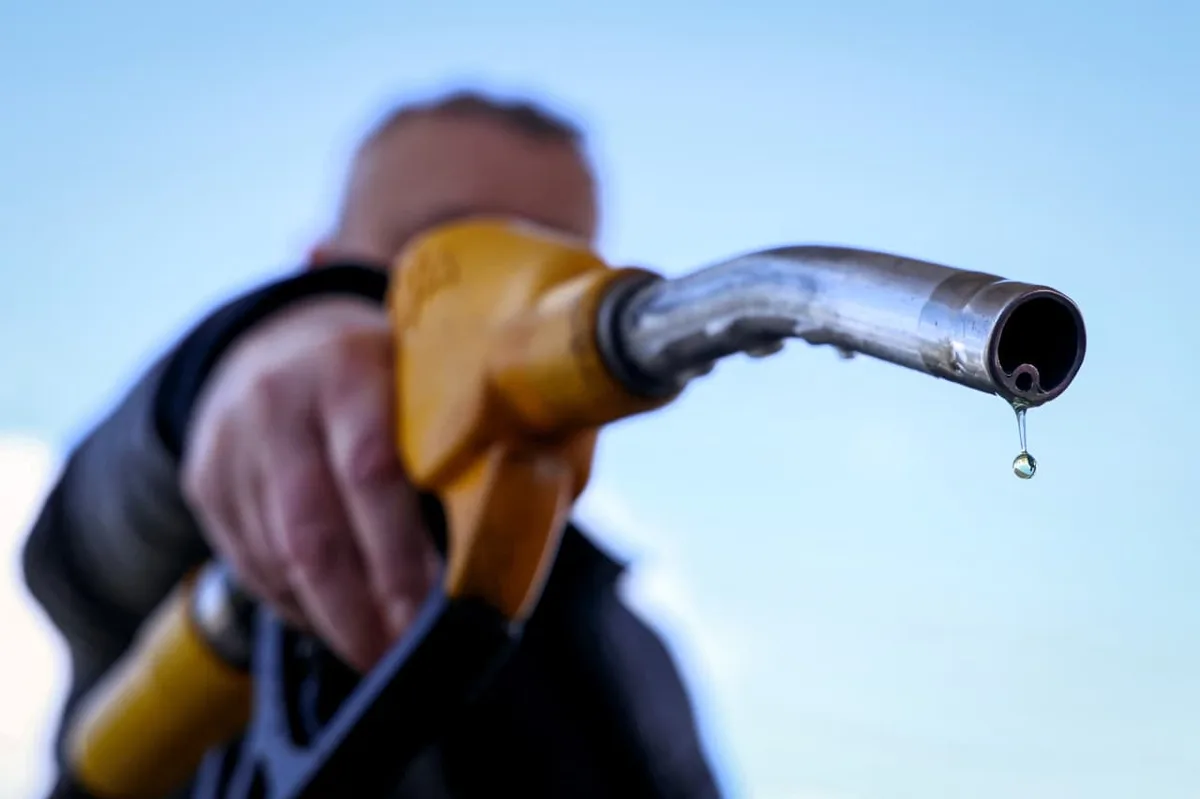
Here's the frustrating truth nobody wants to say out loud: crude oil prices could drop tomorrow and you'd still be getting hammered at the gas station. That's the trap American drivers are stuck in right now, and it has almost nothing to do with missiles flying over the Middle East.
Yes, the Iran situation grabs headlines. Geopolitical risk always does. But MarketWatch is pointing the finger somewhere else entirely — Wall Street. Financial players, speculative positioning, and the structural way energy markets are priced mean that even when the underlying commodity softens, retail fuel prices stay stubbornly high. The squeeze flows one direction: toward your wallet.
Read more NJ Deli Fraudster James Patten Gets 21 Months for $100M Scheme →
This is the asymmetry that should make you angry. When oil spikes, gas prices jump within hours — sometimes days. When oil falls, pump prices crawl down over weeks, if they move at all. Energy companies and trading desks capture the spread. You eat the lag. It's not a conspiracy; it's just how the incentives are built into the system.
As a trader, this dynamic matters beyond just your commute. Energy sector equities, refiner margins, and consumer discretionary stocks all hinge on whether that gap between crude and retail fuel ever closes. Right now, it isn't closing. Refiners are printing margin. Consumers are getting squeezed. That's a trade — and it's been working.
The broader takeaway: don't anchor your energy thesis to headline crude prices alone. The retail fuel market is its own animal, shaped as much by financial mechanics as by barrels in the ground. Continue reading at MarketWatch.com