Why High Earners Are Choosing HSAs Over 401(k) Catch-Up Contributions
Wealthy savers are rethinking retirement strategy by prioritizing HSAs over 401(k) catch-up contributions heading into 2026.
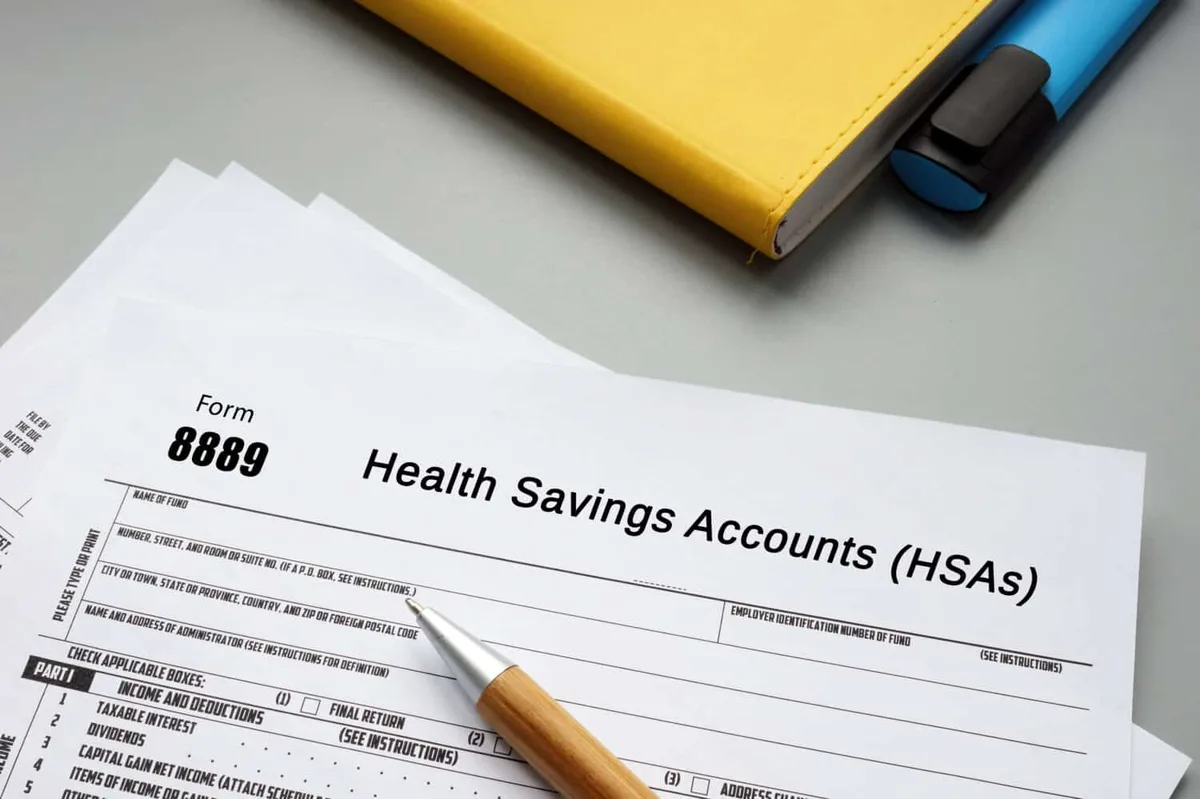
If you're a high earner mapping out your 2026 savings strategy, the conventional wisdom of maxing every dollar into your 401(k) catch-up contribution is getting a serious challenger: the Health Savings Account. More affluent investors are deliberately routing dollars into HSAs first, and the logic is hard to argue with once you see it laid out.
The HSA's triple tax advantage is the centerpiece of this shift. Contributions go in pre-tax, growth is tax-free, and qualified withdrawals for medical expenses cost you nothing in taxes either. No other account in the U.S. tax code offers that three-layer benefit. For high earners already sitting in top marginal brackets, that calculus hits differently than it does for someone in the 22% bracket.
Read more Why Using Your 401(k) to Wipe Out Credit Card Debt Can Backfire →
The 401(k) catch-up contribution isn't going away as a tool — it still matters. But under SECURE 2.0 rules, high earners face Roth-only catch-up requirements depending on income thresholds, which changes the after-tax math significantly. An HSA sidesteps that complexity entirely while also functioning as a de facto retirement account after age 65, when funds can be used for any purpose and are simply taxed as ordinary income — just like a traditional IRA.
The tradeable takeaway here is simple: if you have a high-deductible health plan and aren't maxing your HSA before layering on 401(k) catch-up dollars, you're leaving a structurally superior tax shelter on the table. Treat the HSA like a stealth IRA with a medical bonus attached, not just a reimbursement account for copays.
Continue reading at Yahoo Finance