Why Stocks and the Economy Feel Like Two Different Worlds
AI euphoria is driving markets to new highs while the broader U.S. economy stays sluggish. Here's why that disconnect matters to you.
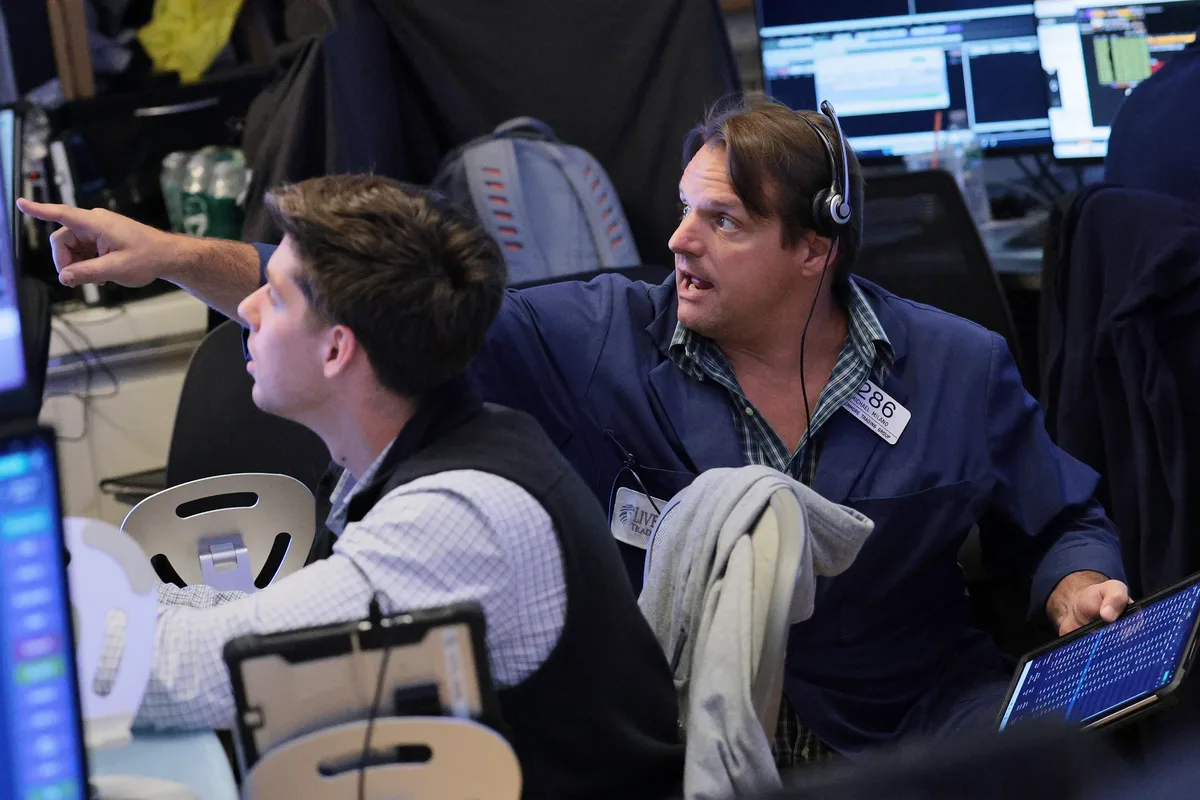
You've probably noticed it. The stock market keeps ripping higher while your everyday life doesn't feel like a boom. That gap is real, and it's not your imagination — economists are calling it out directly.
The core driver is AI euphoria. A handful of mega-cap tech companies tied to artificial intelligence have surged dramatically, pulling major indexes up with them. But those gains are concentrated, not broad. The rest of the economy — the part that pays your rent, fills your grocery cart, and determines your boss's hiring budget — has been on a far more tepid path.
Read more AI Race Pivots From Raw Power to Cost and Precision →
This kind of divergence isn't new in market history, but the AI trade has amplified it to an unusual degree. When a single theme dominates equity performance, the index can look healthy even when most businesses and consumers are grinding through something much tougher. Traders need to understand that the S&P 500 is not a report card on Main Street — it's a forward-looking bet on future corporate earnings, heavily weighted toward the biggest players.
For retail investors, that split creates both opportunity and risk. Chasing the AI rally late can be painful if sentiment shifts. But dismissing equities because the economy feels soft can mean missing real gains. The smarter play is understanding what's actually moving prices versus what's moving the needle on economic health — and knowing those are currently two very different things.
Continue reading at US Top News and Analysis