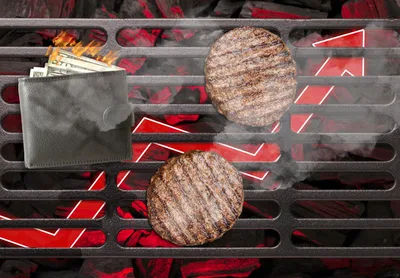
Airline Fares Likely Stay High Even as Fuel Costs Fall
Carriers may pocket Iran-deal fuel savings instead of cutting ticket prices, leaving travelers stuck with elevated fares.

Don't expect cheap flights anytime soon. Even if a U.S.-Iran nuclear deal pushes oil prices lower and slashes jet fuel costs for airlines, industry insiders say carriers are more likely to fatten their margins than pass those savings to passengers. You've been warned.
The logic is straightforward: airlines spent years bleeding cash through the pandemic, piled up debt, and now finally have pricing power back. Why give it up? When fuel costs drop, the default move for these carriers isn't a fare sale — it's a balance sheet repair job and a dividend conversation with shareholders.
Read more BoE's Mann: Fewer Rate Hike Bets Are Why She'd Hike More →
Jet fuel is one of the single biggest operating expenses for any airline. A sustained drop in crude oil prices tied to renewed Iranian supply hitting global markets could meaningfully reduce that cost line. But history shows fare reductions lag fuel relief by months, if they come at all. Airlines operate in a capacity-constrained environment right now, and constrained supply plus steady demand equals one thing: elevated ticket prices.
For the retail traveler trying to time a cheap booking, this is a frustrating dynamic. The macro tailwind you're counting on — cheaper oil — is quietly getting absorbed before it ever reaches your checkout screen. The smarter trade here might actually be on the equity side: airline stocks could re-rate higher if fuel costs compress while revenues hold firm, a classic margin-expansion setup that investors love.
Bottom line — the Iran deal may be a windfall for airline shareholders, not passengers. Book your summer trip now rather than waiting for prices to fall. Continue reading at Reuters.