Bitcoin Has Traded Below Mining Cost for Five Months Straight
BTC has spent five months under its mining breakeven price, crushing miner margins and raising pressure across the sector.
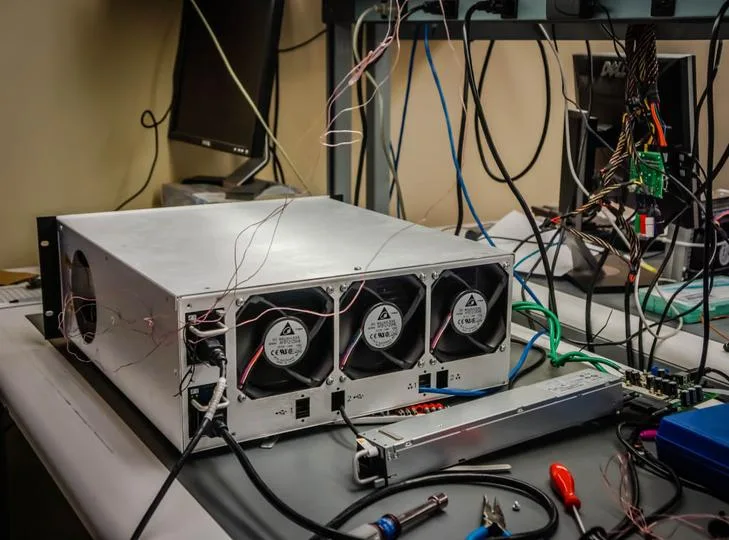
Bitcoin miners are bleeding. For five consecutive months, BTC has traded below the average cost to produce a single coin — a stretch that puts the squeeze on every operation running rigs right now. That's not a blip. That's a sustained compression that forces hard decisions: cut power, sell reserves, or shut down machines.
When price sits under production cost, miners can't profitably sell what they dig up. Weaker, higher-cost operations start capitulating first — they dump BTC holdings to cover bills, which adds sell pressure to an already struggling market. It's a feedback loop that historically precedes either a sharp miner shakeout or a price recovery that rescues surviving players.
Read more BoE's Mann: Fewer Rate Hike Bets Are Why She'd Hike More →
The five-month timeline matters because it's long enough to drain cash reserves at most mid-tier mining outfits. Large publicly traded miners with cheap power contracts can hang on longer, but even they are watching margins evaporate. Efficiency becomes everything in this environment — your cost per kilowatt-hour is now your moat.
For traders, this setup is worth watching closely. Prolonged below-cost mining periods have historically front-run supply squeezes. When the weakest miners finally capitulate and go offline, hash rate drops, remaining miners get a larger share of block rewards, and the market sometimes finds a floor. That's not a guaranteed trade, but it's a historically grounded pattern worth tracking on your chart.
Continue reading at CoinDesk