Fed Stress Test: US Banks Can Absorb $708B in Losses
The Fed's latest stress test shows US banks are resilient, but this year's results won't move the needle on capital requirements.
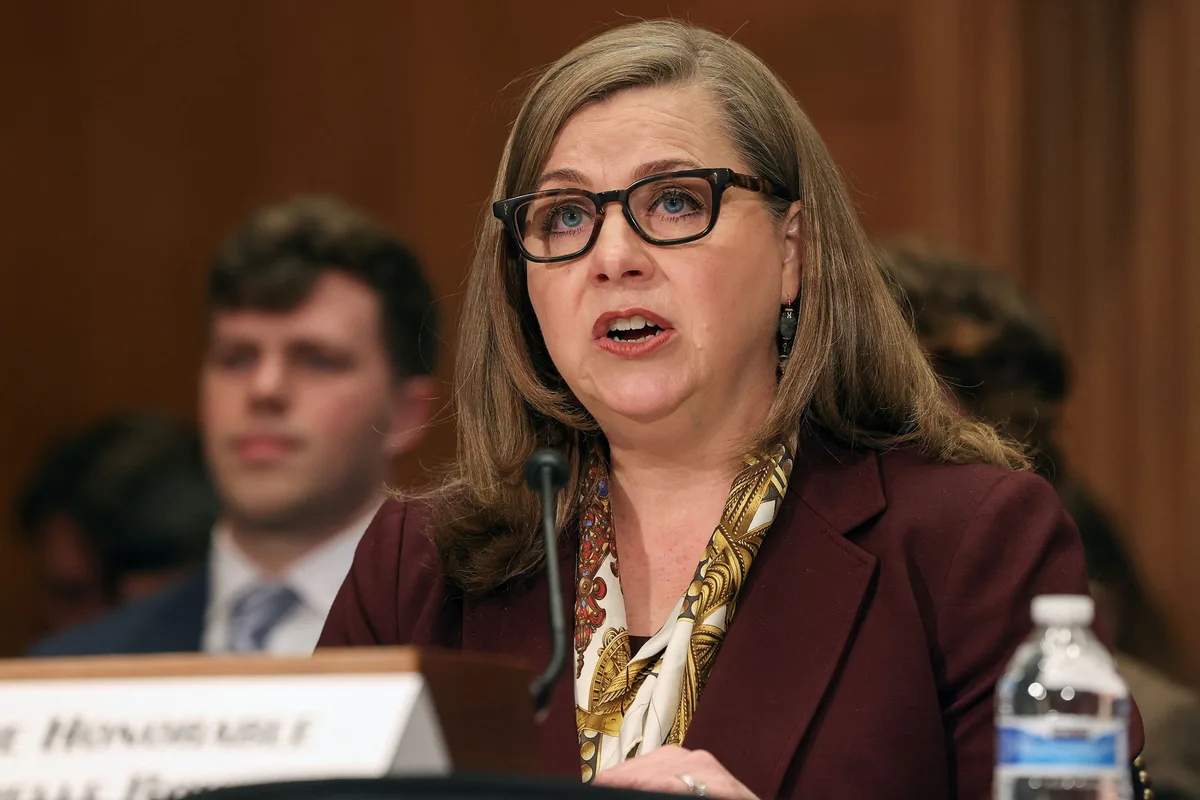
The Federal Reserve just gave America's biggest banks a clean bill of health — on paper. The central bank's annual stress test found that US lenders could absorb a staggering $708 billion in losses and still keep their doors open. That's a number worth knowing if you're holding bank stocks or watching financials.
Here's the twist that makes this year different: those results aren't going to change what banks are required to hold in reserve. In past cycles, a tough stress test could force banks to beef up capital buffers, directly impacting dividends, buybacks, and lending capacity. Not this time. The Fed is in the middle of overhauling its capital rules, and the stress test results are essentially decoupled from requirements for now.
Read more BoE's Mann: Fewer Rate Hike Bets Are Why She'd Hike More →
That regulatory pause matters more than the headline number. Banks have been lobbying hard against stricter capital rules, and this transitional moment hands them some breathing room. Investors cheering a clean stress test should also clock the fact that the underlying framework is being rewritten — what counts as "enough" capital could look very different once the dust settles.
For traders, the immediate read is straightforward: no surprise capital calls, no forced dividend cuts, no emergency equity raises. The big banks passed. But the longer game is watching how the Fed rewrites those rules and whether the final framework tightens or loosens the screws on an industry that's been pushing back hard on post-2008 regulations.
Continue reading at US Top News and Analysis